English
 français
 Español
 русский
 português
 العربية
 tiếng việt
 Türkçe
 ไทย
ไทย Indonesia
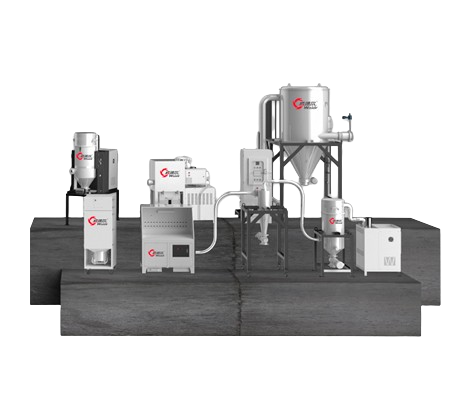
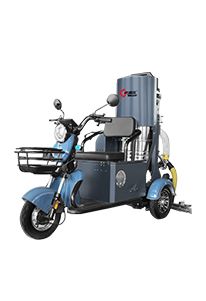
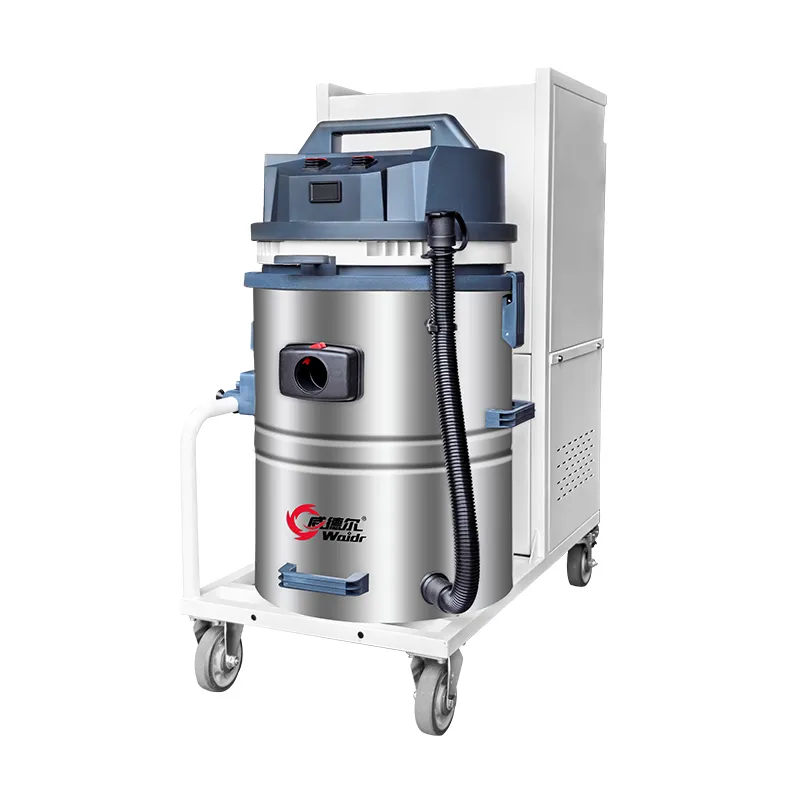
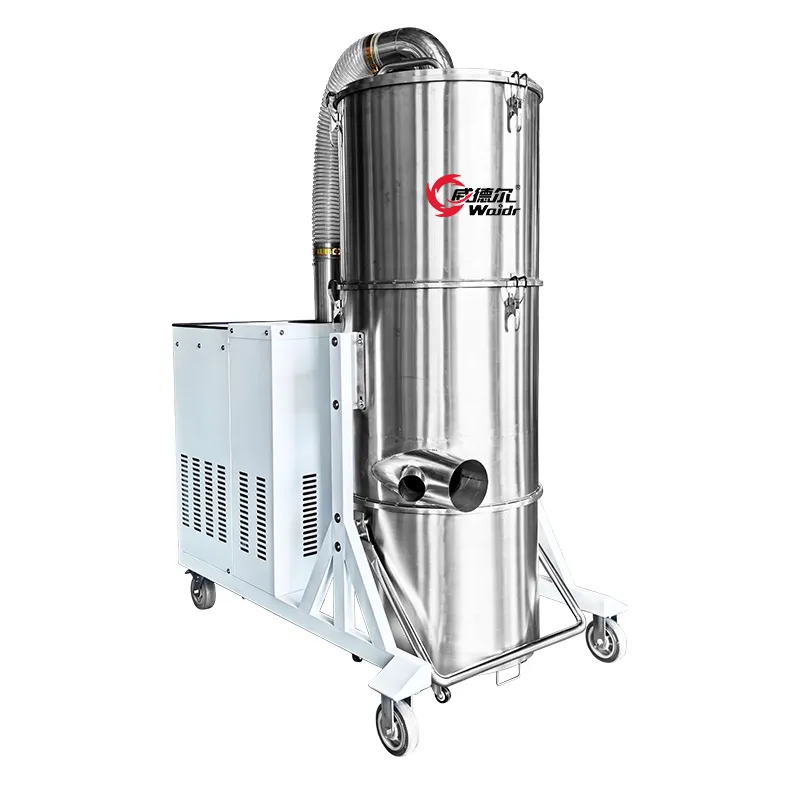
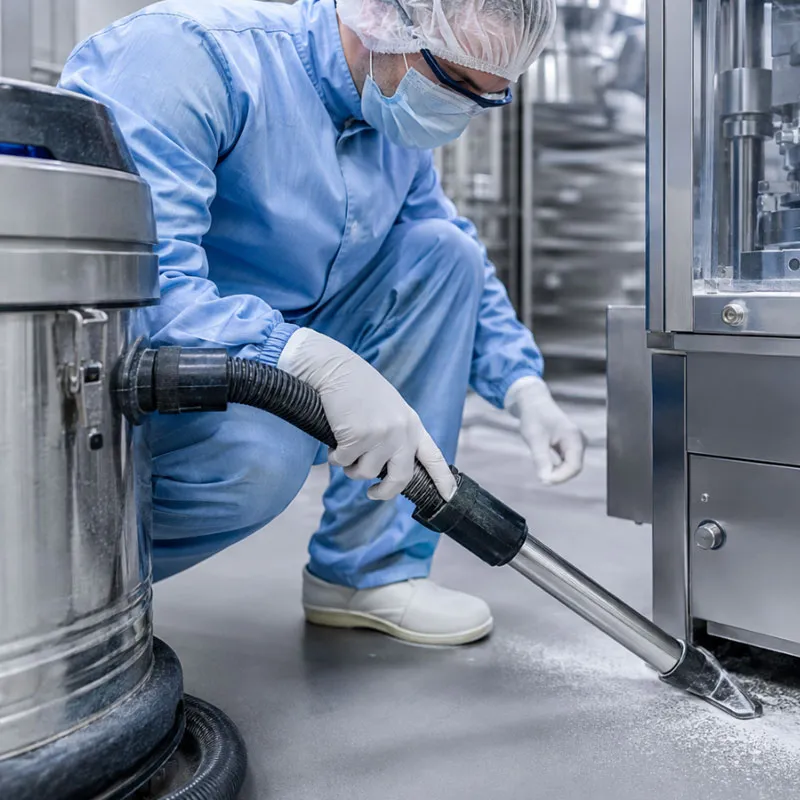
Pharmaceutical production demands a different standard of industrial cleaning. The objective is not only to remove visible residue but also to manage fine powder, support housekeeping discipline, redu...
Read More
Walk through any automobile parts factory before and after installing a central vacuum system, and the differences are startling. A German transmission component manufacturer reported their ambient dust levels dropped from 12 mg/m³ to 0.8 mg/m³ within three weeks of commissioning a Waidr centralized system. More importantly, their defect rate from particulate contamination fell by 43%—a number that directly impacted their bottom line.
Modern central vacuum systems can reduce industrial cleaning labor costs by up to 70% compared to portable units, according to a 2024 Plant Engineering whitepaper. Waidr's central vacuum systems for sale achieve this through strategic inlet placement that cuts staff walking distances by 80%, while their cyclonic pre-separators extend filter life to 18-24 months—three times longer than conventional bag filters in high-dust environments.
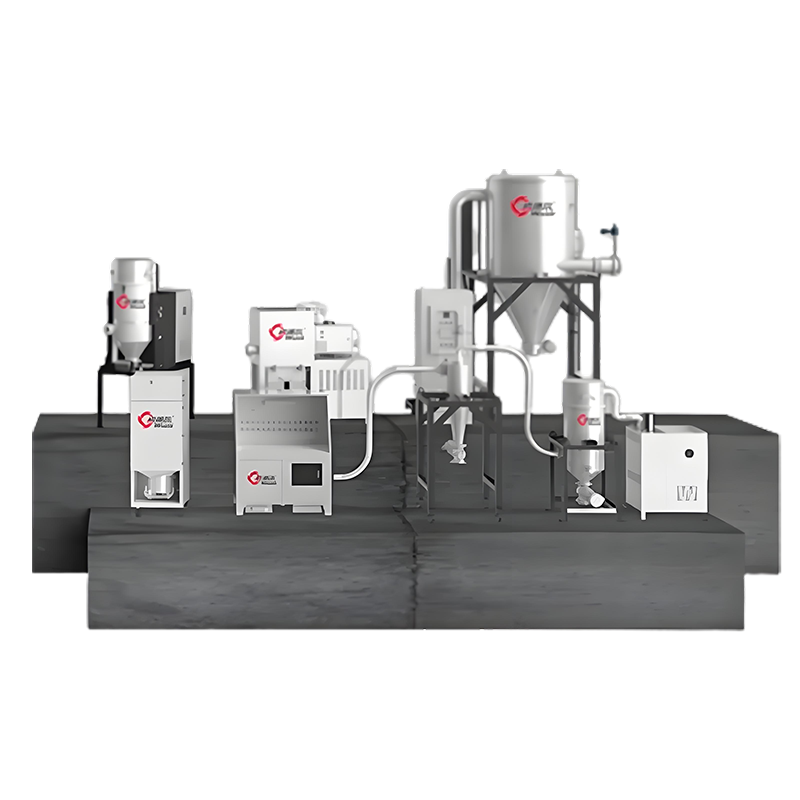
The math becomes undeniable when examining a Malaysian furniture manufacturer's experience. Their 26 portable vacuums required 140 hours of weekly operator time just for equipment movement and emptying. After installing Waidr's centralized system with 38 strategically placed inlets, they redeployed 11 cleaners to value-added tasks while achieving more consistent dust collection. The system's automatic filter cleaning mechanism saved an additional 45 maintenance hours monthly—equivalent to $18,000 annually in labor savings.
Dust extraction efficiency told another success story. Their old system struggled with fine MDF particles below 10 microns, requiring additional air scrubbers. Waidr's multi-cyclone design captures 98.6% of particles at the source before they reach the main filters—a critical factor in maintaining compliance with increasingly strict workplace air quality standards.
In Singapore, a snack food producer faced recurring allergen control issues. Their shared portable vacuums became contamination vectors, transferring peanut residues between production lines. The solution came from Waidr's dedicated central system featuring color-coded hoses for different allergen zones and stainless steel ducting polished to FDA-mandated Ra <0.4µm surfaces.
The results transformed their quality assurance protocols. Environmental swab tests showed allergen traces reduced from 120ppm to undetectable levels (<1ppm). Their sanitation team now completes line changeovers 60% faster since eliminating portable vacuum sanitization steps—a crucial advantage in their high-mix production environment.
A Czech machinery manufacturer discovered unexpected benefits during their green initiative audit. Their old scattered vacuums collectively drew 148kW during operation. The Waidr central unit's variable frequency drive adjusts suction power based on real-time demand, averaging just 58kW—a 61% reduction that saves €34,000 annually in electricity costs.
The system's heat recovery feature proved equally valuable. By capturing and redirecting compressor heat, they now preheat their factory's makeup air in winter months—further cutting natural gas consumption by 18%. These sustainability gains helped them qualify for EU eco-subsidies unavailable to facilities using less efficient cleaning systems.