English
 français
 Español
 русский
 português
 العربية
 tiếng việt
 Türkçe
 ไทย
ไทย Indonesia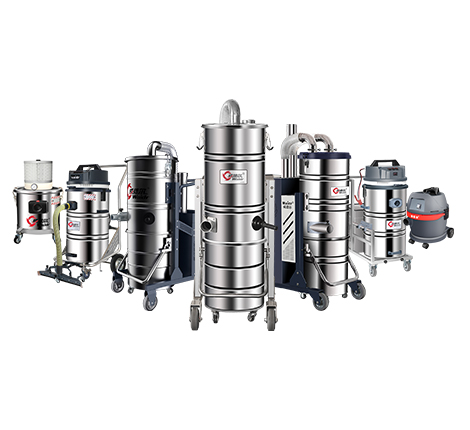
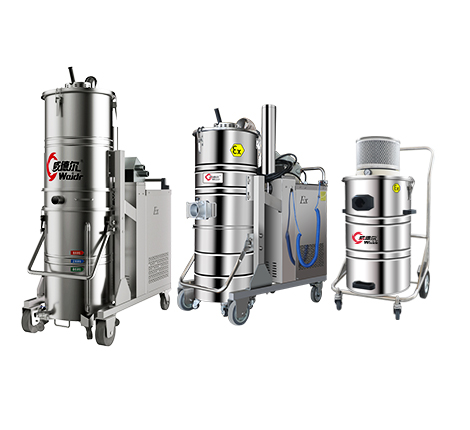
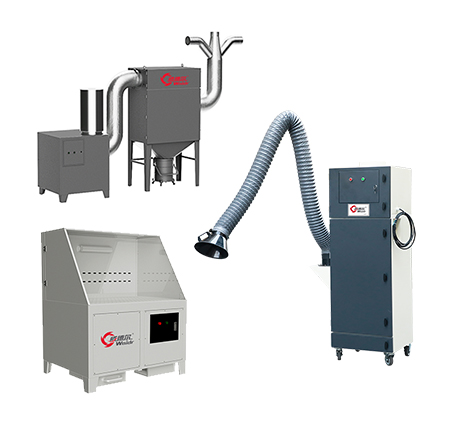
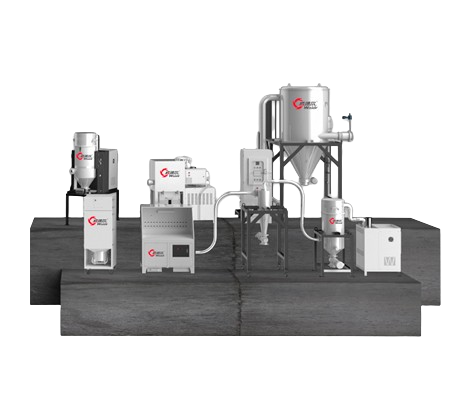
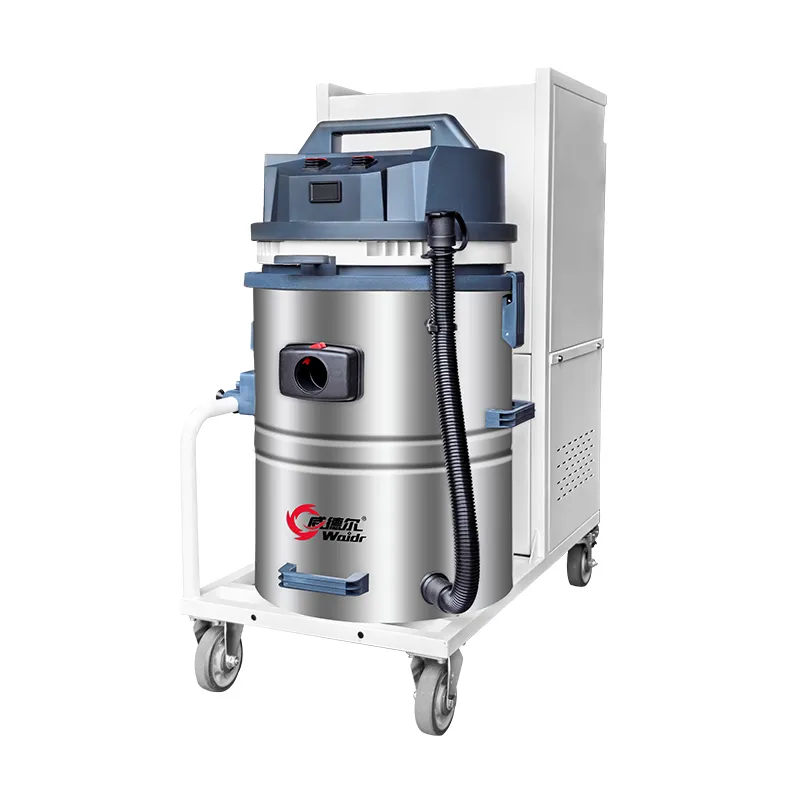
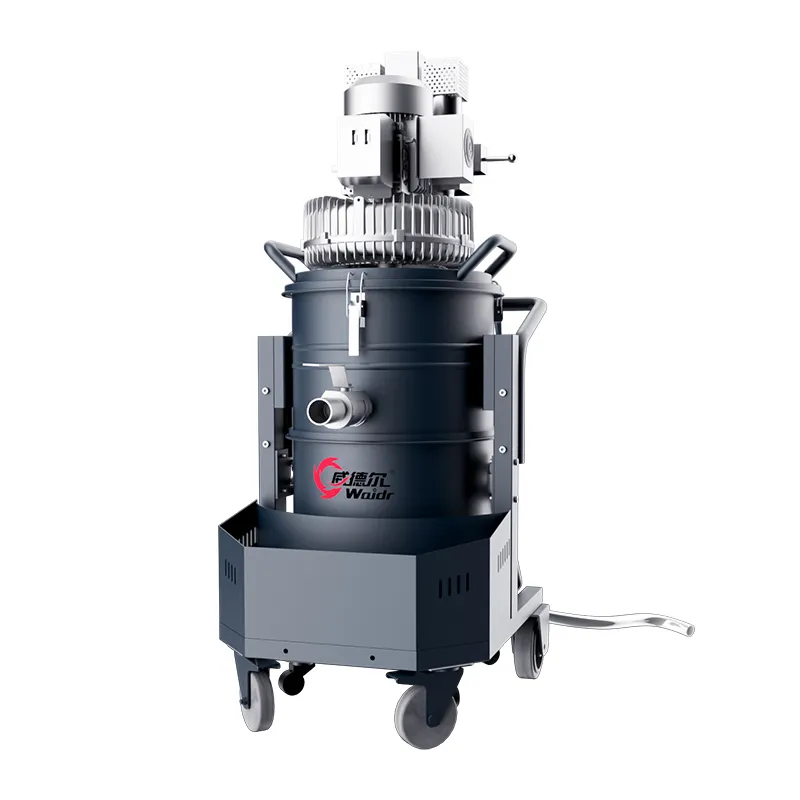
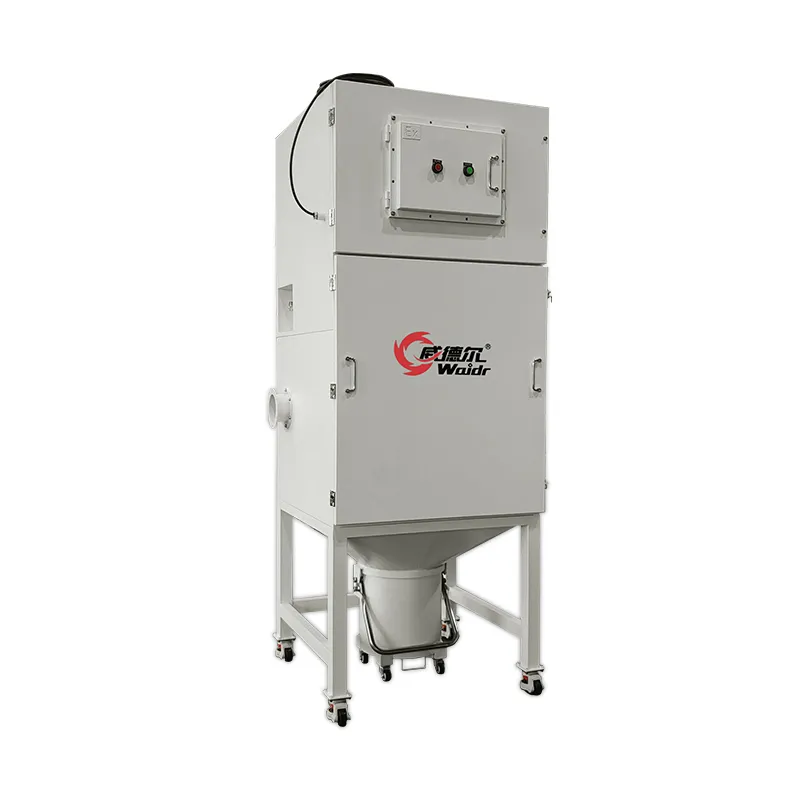
Pharmaceutical production demands a different standard of industrial cleaning. The objective is not only to remove visible residue but also to manage fine powder, support housekeeping discipline, redu...
Read More
In the high-stakes world of pharmaceutical manufacturing, cleanliness isn’t just a preference—it’s a mandate. An overlooked particle in a lab isn’t merely dust; it could result in a batch failure, a costly regulatory fine, or even a severe health hazard. Standard industrial vacuums, while effective for general cleaning, often fall short in sterile environments by exhausting fine powders back into the air. This is why pharmaceutical facilities must pivot to certified filtration solutions using specialized industrial vacuum machines. In this article, we’ll explore the critical role of HEPA and ULPA filtration, the regulatory necessities driving their adoption, and how to source the right equipment for your lab or manufacturing plant.
When it comes to maintaining a sterile environment, not all filters are created equal. The difference between HEPA and ULPA filtration can mean the difference between compliance and catastrophe.
HEPA (High-Efficiency Particulate Air) filters are designed to capture 99.97% of particles as small as 0.3 microns. While this level of filtration is impressive for many industries, it may not suffice in pharmaceutical settings where even finer contaminants pose risks.
ULPA (Ultra-Low Particulate Air) filters take it a step further, achieving 99.999% efficiency at 0.12 microns. This ultra-fine filtration is critical when dealing with potent active pharmaceutical ingredients (APIs) that are often smaller than 0.3 microns.
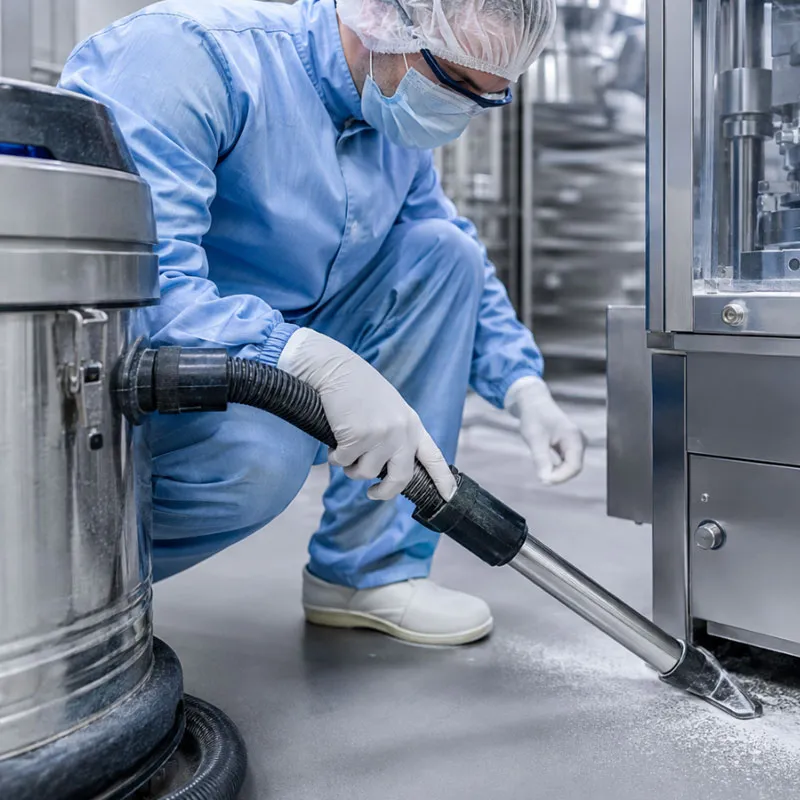
In environments requiring ISO Class 5 cleaning, such as cleanrooms, ULPA filtration is often the gold standard. It ensures that microscopic contaminants are trapped and not reintroduced into the air, safeguarding product integrity and operator safety. When selecting a pharmaceutical cleanroom vacuum, prioritize ULPA systems to meet stringent cleanliness benchmarks.
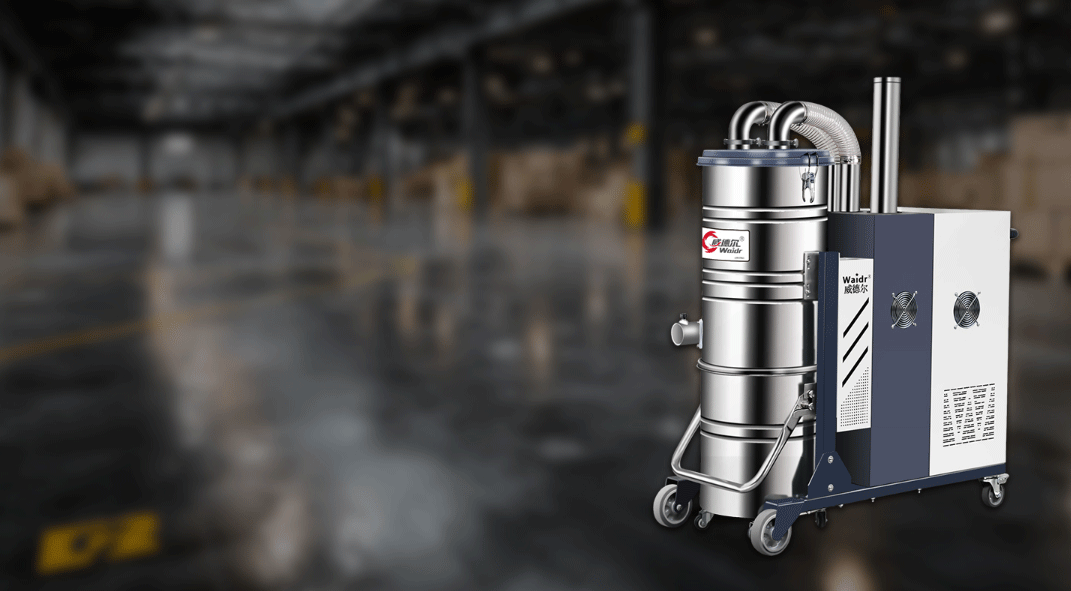
Choosing the right filtration isn’t just about performance—it’s about survival in a highly regulated industry. Here are four reasons why HEPA and ULPA filtration are non-negotiable for pharmaceutical applications.
Pharmaceutical facilities must adhere to strict guidelines set by bodies like the FDA and EMA. This includes meeting ISO cleanroom standards (ISO 5, 6, 7) and compliance with Current Good Manufacturing Practices (cGMP) as outlined in CFR Part 211. Without certified filtration, maintaining these standards is nearly impossible.
In a lab, residues from Batch A must never compromise Batch B. Cross-contamination can lead to product recalls and reputational damage. A pharmaceutical cleanroom vacuum equipped with HEPA or ULPA filtration ensures that every particle is captured, preventing costly mishaps.
Lab technicians are often exposed to potent compounds and toxic dust. Without proper filtration, inhaling these substances poses significant health risks. The CDC and NIOSH guidelines on hazardous drug handling emphasize the importance of using equipment designed to protect workers, such as filtered industrial vacuum machines.
Many pharmaceutical powders are explosive, creating a risk of ignition during cleaning. Using ATEX/EX-certified industrial vacuum machines mitigates the danger of combustible dust, ensuring a safe working environment.
Not all vacuums are built for the rigors of a cleanroom. Here’s what to look for in a pharmaceutical-grade industrial vacuum machine.
Effective systems employ a multi-stage approach: a pre-filter to capture larger debris, followed by HEPA, and culminating in ULPA for the finest particles. This sequence maximizes efficiency and filter lifespan.
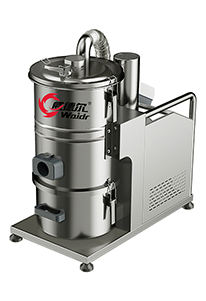
Non-porous surfaces are a must in sterile environments. Stainless steel construction, such as AISI 304 or 316L, allows for easy decontamination and prevents particle buildup.
Bag-in/Bag-out systems are essential to avoid “secondary clouds” during emptying. These systems ensure that contaminants remain contained, even during disposal.
Pro Tip: In our experience assisting ISO 5 cleanrooms, we’ve found that even the best HEPA filter fails if the vacuum housing isn’t 100% leak-proof. Always check for ‘Absolute Filtration’ certification when sourcing equipment.
For large-scale manufacturing plants or laboratory chains, sourcing through industrial vacuum machine wholesale channels offers significant benefits. Bulk procurement ensures cost savings, consistency in equipment quality, and streamlined compliance documentation.
Customization: Can the supplier tailor solutions to your cleanroom specifications?
Certification Documentation: Do they provide ISO and ATEX certifications for all equipment?
Long-Term Filter Availability: Are replacement HEPA/ULPA filters readily available to avoid downtime?
At Waidr Vacuums, we prioritize quality control and ISO-certified manufacturing processes to ensure that every unit meets pharmaceutical standards.
Investing in a pharmaceutical-grade industrial vacuum machine with HEPA or ULPA filtration isn’t just about meeting today’s standards—it’s about future-proofing your operations. The return on investment is clear: reduced downtime, guaranteed compliance, and protected personnel. Don’t settle for “good enough” when it comes to cleanliness in a high-stakes environment.
No. Standard shop vacuums lack the specialized filtration (HEPA/ULPA) required to capture microscopic particles and prevent cross-contamination in pharmaceutical environments. They also often fail to meet ISO cleanroom standards.
Replacement frequency depends on usage and environmental conditions, but most manufacturers recommend replacing HEPA filters every 6-12 months in cleanroom settings. Always refer to the equipment’s maintenance guidelines and monitor filter performance regularly.
HEPA filters capture 99.97% of particles at 0.3 microns, while ULPA filters achieve 99.999% efficiency at 0.12 microns. For pharmaceutical applications involving fine APIs, ULPA is often the preferred choice to ensure sterility.