English
 français
 Español
 русский
 português
 العربية
 tiếng việt
 Türkçe
 ไทย
ไทย Indonesia
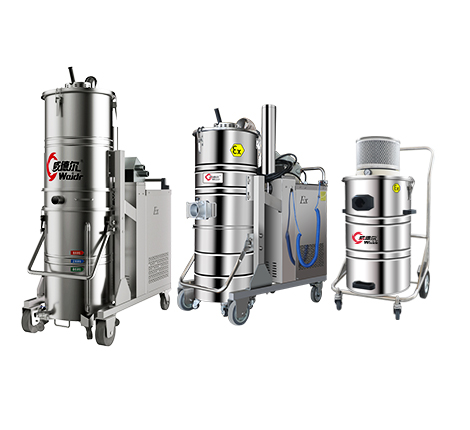
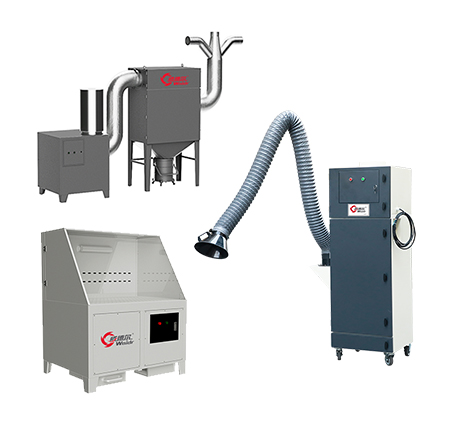
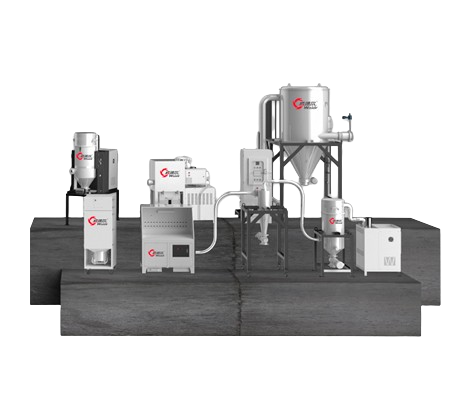
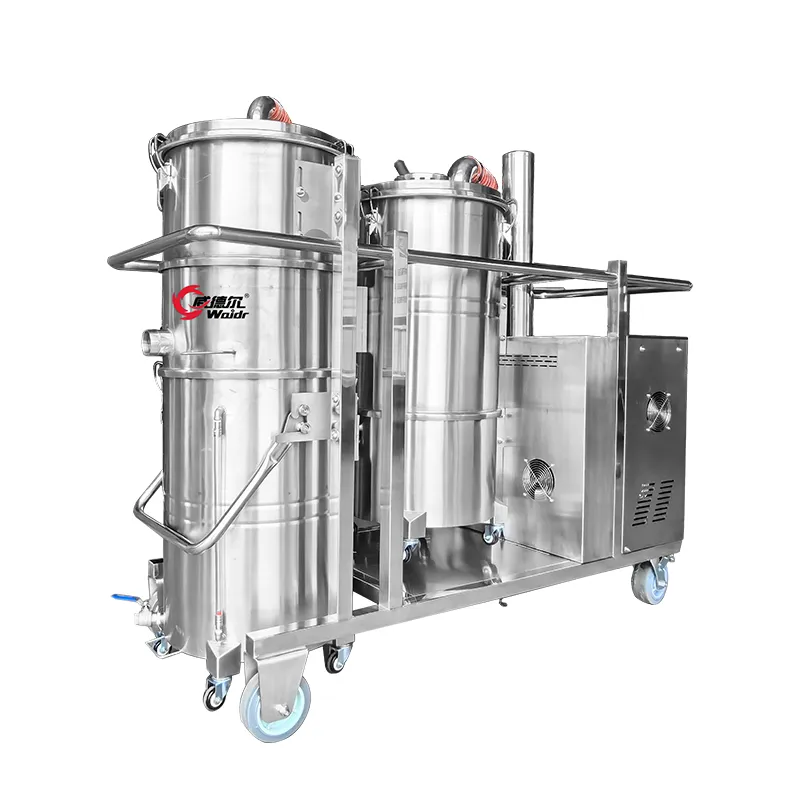
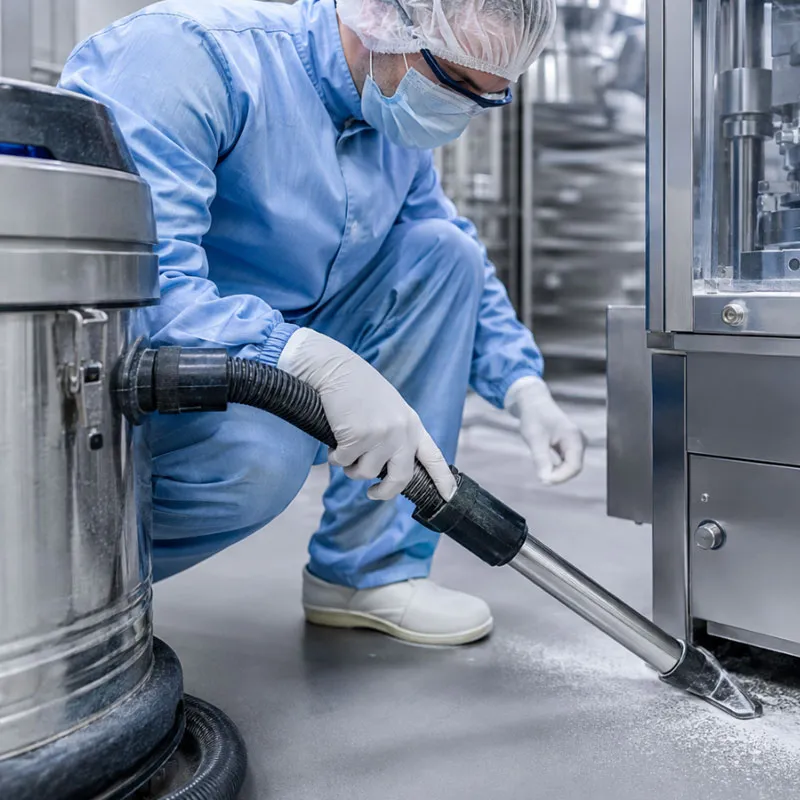
Pharmaceutical production demands a different standard of industrial cleaning. The objective is not only to remove visible residue but also to manage fine powder, support housekeeping discipline, redu...
Read More
In the fast-paced world of modern distribution centers, efficiency is everything—measured in pallet turns and pick rates. Yet, lurking above the bustling activity, a silent threat builds up. At heights of 10, 12, or even 15 meters, dust accumulates on rack beams, lighting fixtures, sprinkler pipes, and HVAC ducts. This often-overlooked issue, dubbed the “Dust Rain” effect, becomes a significant problem when vibrations from forklifts, conveyor systems, and dock doors dislodge fine particulates, causing them to fall onto the warehouse floor.
The consequences are far from trivial:
Contaminated stock that compromises product quality.
Increased PM2.5 levels that degrade air quality.
Employee respiratory irritation, leading to health concerns.
Heightened combustible dust risk, posing a fire hazard.
For procurement professionals and warehouse operations managers, dust isn’t just a cosmetic issue—it’s a serious operational liability. The critical takeaway? Standard cleaning tools are woefully inadequate for high-reach applications. This is where specialized industrial vacuum machines become essential.
It might seem cost-effective to use a heavy-duty shop vacuum for warehouse cleaning, but there’s a stark difference between consumer-grade units and industrial vacuum machines. This isn’t just marketing hype—it’s rooted in engineering and design.
Retail vacuums are built for short, intermittent use—not the demanding conditions of a warehouse. Industrial environments require:
Operation over 4-8 hour shifts.
Multi-stage turbine motors for sustained power.
Cooling bypass systems to prevent overheating, especially with long hoses.
Without these features, consumer units burn out quickly under the strain of high-rack cleaning.
Cleaning at height relies on two key principles of physics:
Static lift (water lift): The vacuum’s ability to pull debris vertically through long hoses.
Airflow (CFM): The volume of air moved, ensuring consistent suction over extended distances.
Standard vacuums lose suction drastically when used with long hoses, while industrial models are engineered to maintain CFM even at extreme heights.
Warehouse dust isn’t ordinary—it often includes:
Silica from concrete floors.
Wood particles from pallets.
Packaging fibers and fine cardboard debris.
Low-quality filters in retail vacuums allow these fine particulates to escape, redistributing them into the air. Industrial systems, on the other hand, use M-Class or H-Class (HEPA) filtration to capture even the smallest particles, ensuring cleaner air and safer conditions.
In large warehouse facilities, static buildup is a constant risk. Without grounded components and anti-static carbon-fiber poles for high-reach cleaning, sparks can ignite combustible dust. Industrial vacuums are designed with safety in mind, incorporating features to mitigate this danger.
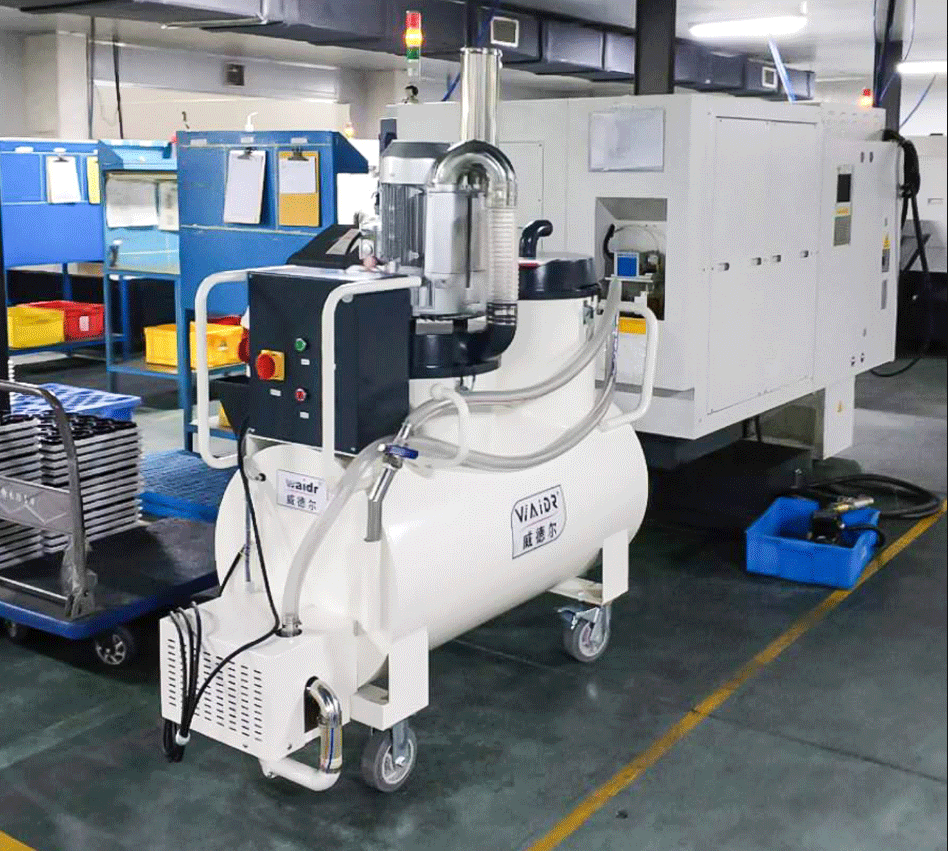
3 Reasons Standard Vacuums Fail at High Racks:
Lack of Lift: They can’t maintain suction through long vertical hoses.
Overheating: Non-industrial motors aren’t built for extended 4-8 hour shifts.
Fine Dust Bypass: Cheap filters let fine dust escape, resettling on high surfaces.
To tackle high-reach cleaning safely and efficiently, industrial vacuums are engineered with specialized features that set them apart from standard models.
High-rack cleaning often demands:
30-foot hose extensions for maximum reach.
Anti-static carbon-fiber poles to access overhead areas.
Attachments for cleaning beams and fixtures.
An industrial vacuum must sustain consistent CFM and static lift under vertical strain. Top models use multi-stage turbine motors to preserve airflow, even with long extensions. When evaluating industrial suction systems, facility managers should prioritize airflow curves and static lift ratings over generic specs.
High-grade filtration is non-negotiable in industrial settings. Key benefits include:
Safe capture of harmful silica particles.
Reduced airborne particulates for better air quality.
Compliance with Environmental Health and Safety (EHS) standards.
H-Class (HEPA) filters trap 99.97% of particles as small as 0.3 microns, while many retail filters simply recirculate dust. Advanced industrial models often feature pulse-jet filter cleaning systems, which automatically clear filters to maintain airflow without manual effort.
Large warehouses need equipment that matches their scale:
Stainless steel tanks for durability and corrosion resistance.
High-capacity debris storage to minimize emptying and downtime.
Heavy-duty casters for easy movement across uneven floors and dock plates.
Maximizing tank capacity directly improves labor efficiency and return on investment (ROI).
For buyers in 2026, Ingress Protection (IP) ratings are a critical consideration. A suitable IP rating ensures protection against:
Dust ingress during operation.
Moisture exposure in humid environments.
Fine particulate intrusion into motor components.
This durability extends machine lifespan and supports compliance in high-dust settings.
For safety officers conducting combustible dust audits, high-rack accumulation isn’t just housekeeping—it’s a regulatory priority.
Dust layers on elevated beams can act as fuel in a fire. In confined spaces, suspended particulates can ignite due to:
Static discharge from equipment.
Sparks from tools or machinery.
Electrical faults in wiring.
Industrial vacuums built for combustible dust safety incorporate grounded components and anti-static designs to minimize ignition risks.
A visible haze often hangs in warehouses under strong lighting—a telltale sign of airborne particulate matter. This affects:
Workers’ respiratory health over time.
Long-term safety and morale.
Overall indoor air quality.
Deploying a properly filtered industrial vacuum machine reduces PM2.5 levels significantly, aligning with Environmental, Social, and Governance (ESG) goals.
For multi-site warehouse operations, purchasing a single vacuum unit is a short-term fix. Wholesale fleet procurement, however, offers a strategic solution.
Standardizing equipment across locations brings:
Interchangeable filters and brushes for easy replacement.
Unified motor components for streamlined repairs.
Simplified training for staff across sites.
Predictable maintenance schedules to minimize downtime.
Uniformity also optimizes spare parts inventory, reducing operational delays.
Partnering with a trusted industrial vacuum manufacturer provides:
Competitive bulk pricing for fleet purchases.
Customization options for OEM requirements.
Export-grade packaging for global distribution.
Dedicated technical support for national rollouts.
For expanding warehouse networks, explore industrial vacuum machine wholesale solutions tailored for high-rack applications. Waidr Vacuums offers high-volume procurement support with expert consultation to ensure the right equipment for your needs.
Even the most robust industrial vacuum requires regular upkeep to perform at its best. Follow these field-tested tips:
Small leaks in hoses can drastically reduce suction at height. Inspect seals weekly to maintain performance.
Pulse-jet systems save time by automatically cleaning filters. For manual systems, schedule regular filter checks to avoid clogs.
Inspect grounding cables frequently to prevent static sparks, especially in combustible dust environments.
Monitor for abnormal temperature spikes during long shifts, as overheating can signal motor strain or impending failure.
A cleaner warehouse isn’t just about appearances—it delivers tangible benefits:
Enhanced safety for employees and equipment.
Regulatory compliance with dust and fire safety standards.
Operational efficiency through reduced downtime and contamination.
Alignment with ESG standards for sustainable practices.