English
 français
 Español
 русский
 português
 العربية
 tiếng việt
 Türkçe
 ไทย
ไทย Indonesia
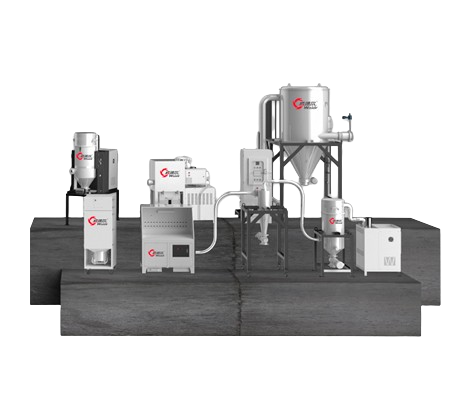
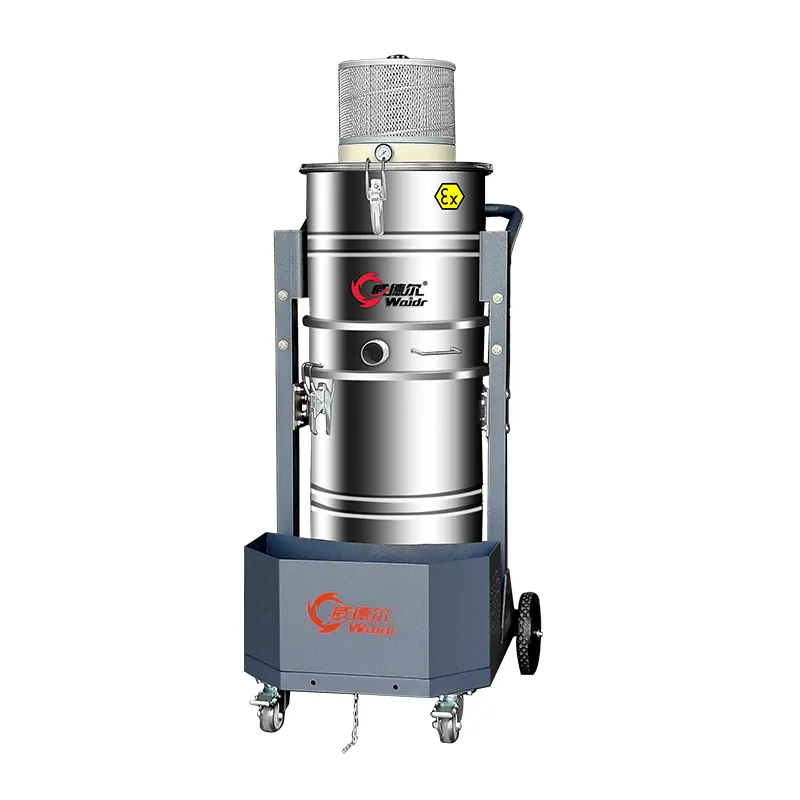
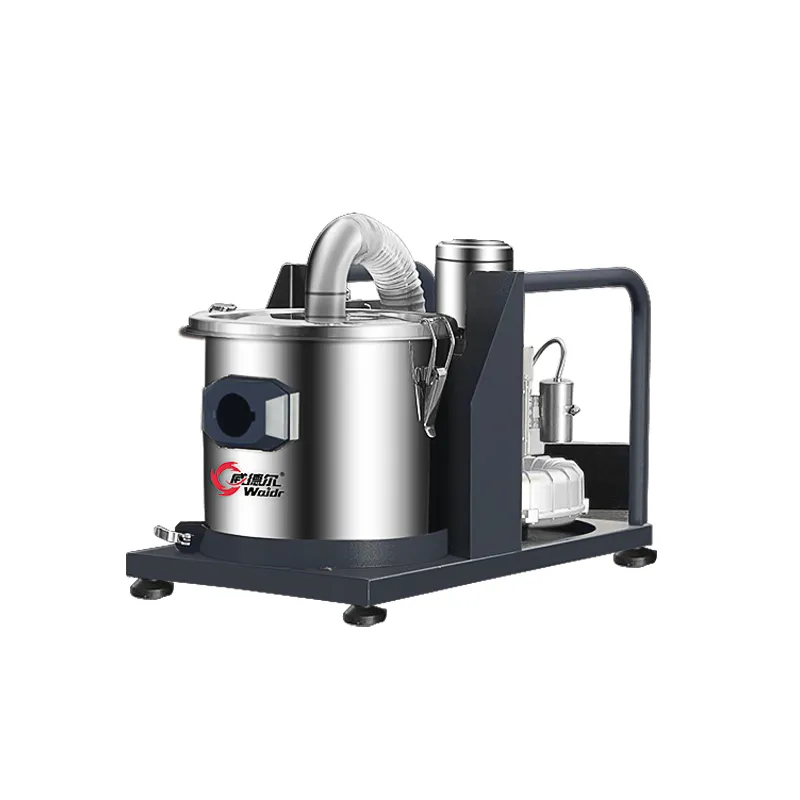
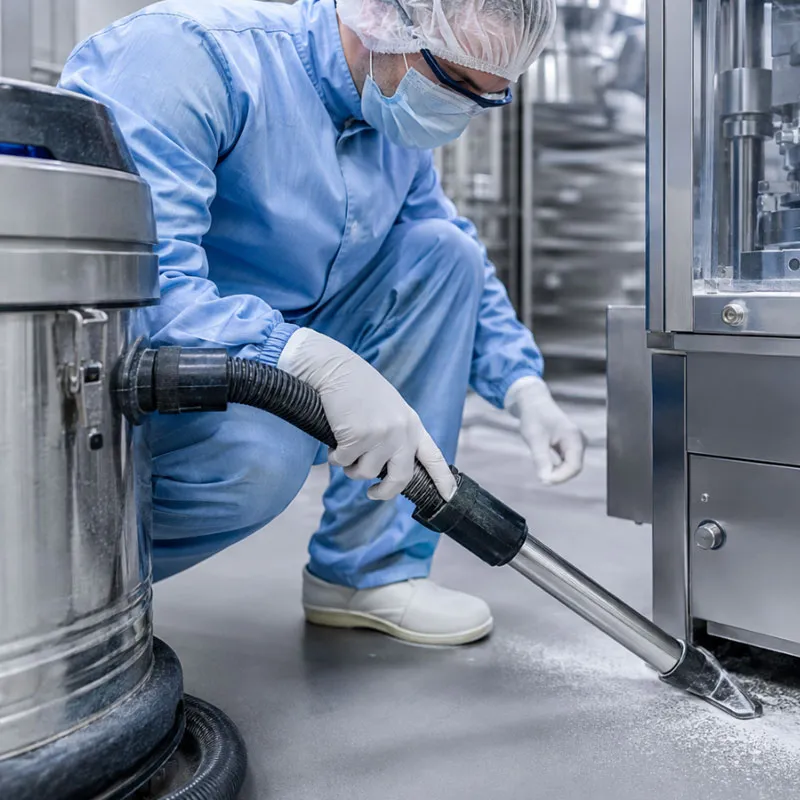
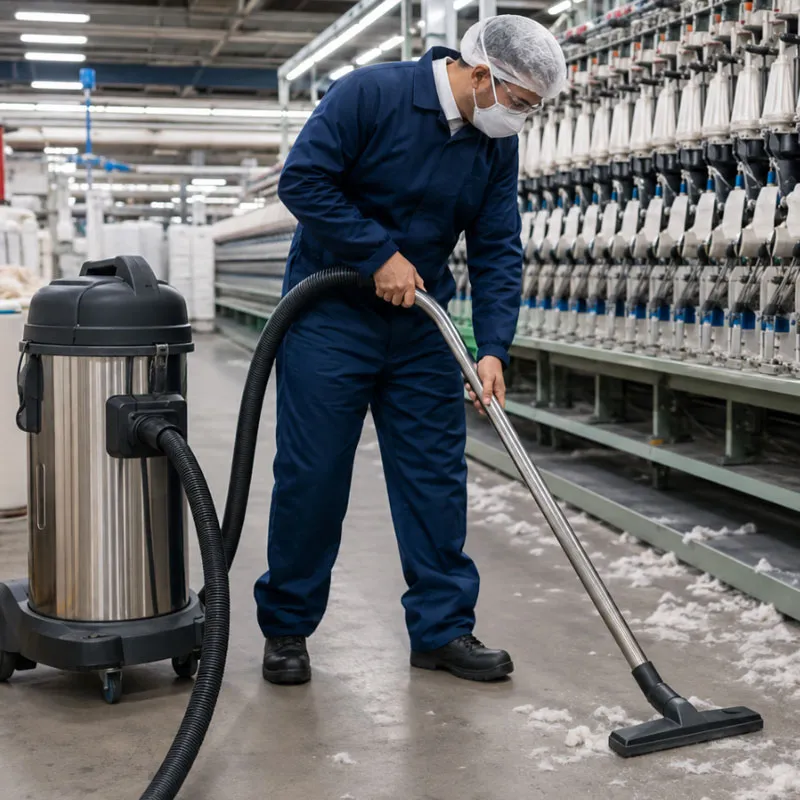
Pharmaceutical production demands a different standard of industrial cleaning. The objective is not only to remove visible residue but also to manage fine powder, support housekeeping discipline, redu...
Read More
In today's fast-paced industrial world, ensuring clean air and safe working conditions within facilities is more important than ever. Dust collection systems play a vital role in protecting workers' health and improving operational efficiency by preventing airborne dust, smoke, and other harmful contaminants. These systems are heavily relied upon in environments that use industrial cleaning machines, central vacuum systems, and dust cleaner tools. This article will explore the three main parts of a dust collection system: Capture Hood, Ductwork, Filtration Unit, Fan and Motor, and Integration Tips, focusing on how each component contributes to the overall effectiveness of the system.
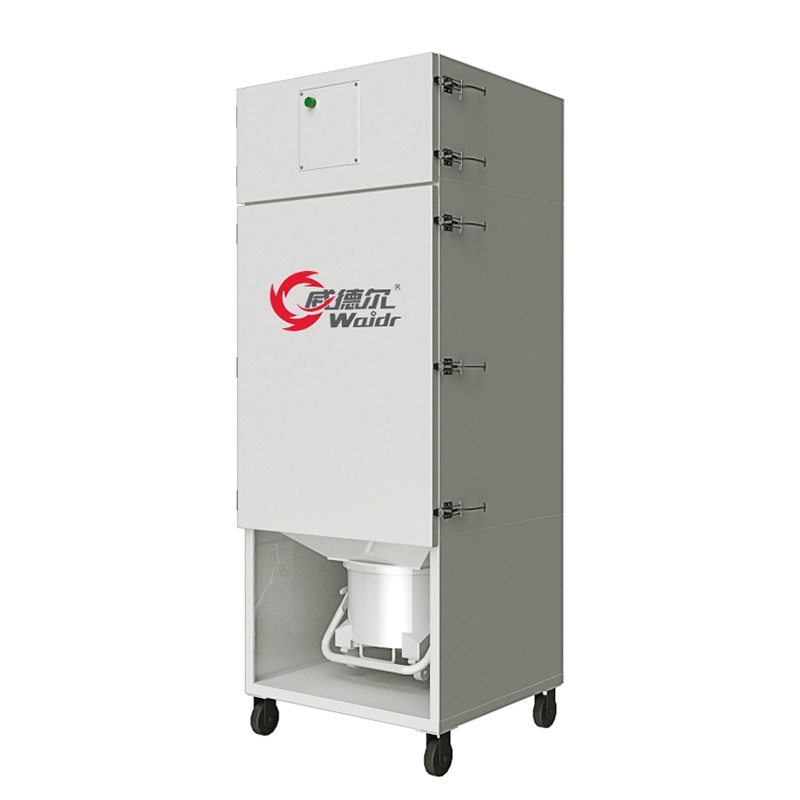
The capture hood is the first point of contact between the dust source and the dust collection system. It is crucial in efficiently capturing particulates and fumes, directing them into the rest of the system for further processing. The design of the capture hood plays a pivotal role in its ability to accommodate various operations, whether involving dust remover tools or dust catcher strategies. In industries such as metalworking or woodworking, where fine dust and hazardous particles are prevalent, the capture hood must be designed to ensure maximum dust removal efficiency.
For example, in woodworking, where fine sawdust is a significant concern, a capture hood with an enclosed open face works best. This design ensures that the sawdust is effectively funneled into the system. In metalworking, a partial enclosure captures metal fumes efficiently, ensuring the health and safety of workers in such environments. The design and efficiency of the capture hood directly influence the effectiveness of the entire dust collection system.
Ductwork plays a key role in channeling the captured dust from the hood to the filtration unit. The efficiency of ductwork design is crucial to prevent pressure losses that could affect the overall performance of the dust collection system. In industrial environments, such as those using industrial equipment cleaning, optimized ductwork layouts are essential, especially when integrating heavy-duty vacuum cleaner systems for transporting large volumes of particulates.
The layout of the ductwork can significantly affect the efficiency of dust removal. For instance, ductwork that is too long or has too many bends can increase resistance, leading to a loss of suction power. On the other hand, an optimized system ensures that the air moves smoothly through the ducts, transporting dust to the filtration unit with minimal pressure drop. This improves the overall effectiveness of the dust remover system and ensures that the collected dust is properly filtered out.
The filtration unit is one of the most important components of any dust collection system. It is designed to separate dust particles from the air stream, ensuring that only clean air is expelled from the system. Different industries have varying filtration needs depending on the types of dust being dealt with. Facilities using vacuum dust collector systems may require specialized filters, such as HEPA filters or cartridge filters, to capture fine dust particles.
When choosing a filtration system, it's essential to consider the type of dust being removed. For example, in environments where dust remover tools are used for heavy-duty cleaning, such as in industrial equipment cleaning, high-efficiency filters are required to capture even the finest particles. The right filtration unit ensures that dust is effectively removed from the air, contributing to a safer and cleaner workplace.
The fan and motor are responsible for providing the necessary airflow through the dust collection system. The fan generates the suction power required to pull dust from the capture hood, through the ductwork, and into the filtration unit. When selecting a fan and motor, it is crucial to understand the system's air volume requirements and the potential pressure drops that may occur within the system.
For facilities that use industrial central vacuum systems or central vacuum cleaner systems, the right fan and motor specifications are essential for maximizing performance. An appropriately selected fan will ensure consistent airflow, which is vital for maintaining the system's efficiency and the effectiveness of dust remover tools. Additionally, the integration of industrial cleaning chemicals can enhance the system's ability to handle tough cleaning challenges, improving overall system operation.
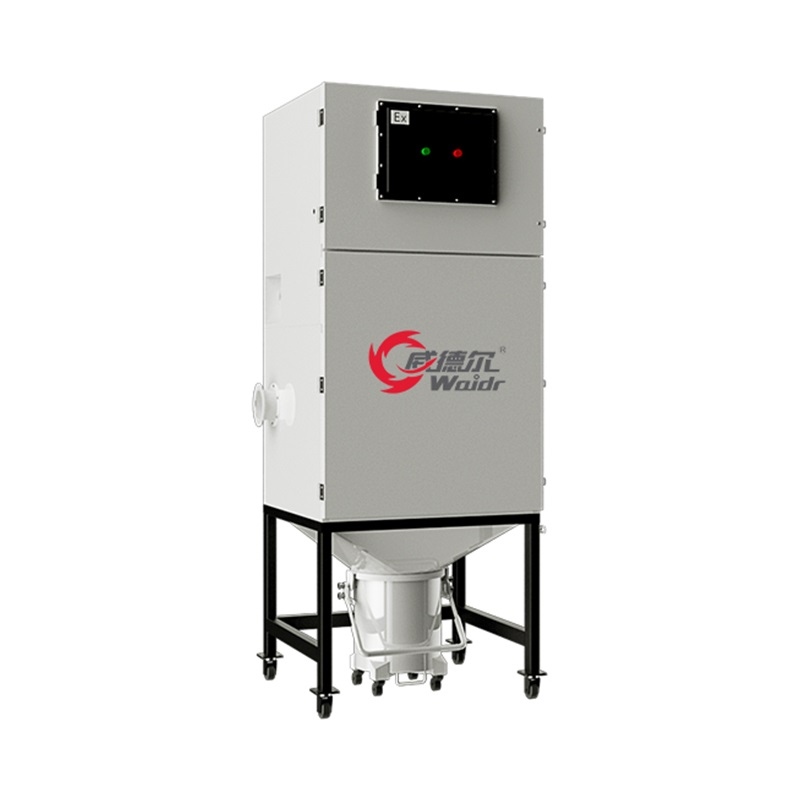
Integrating a dust collection system requires careful planning to ensure maximum efficiency. One of the key considerations is coordinating the system with battery-operated vacuum backpack setups, particularly in environments with limited space or demanding cleaning conditions. Ensuring that the system is well-integrated with battery-powered backpack vacuum units can help maintain continuous cleaning without interruption, even in the most challenging environments.
Facilities that deploy hoover cordless backpack vacuum units or other portable cleaning tools need to account for factors such as dust load, cleaning cycles, and environmental impact. For example, when using dust remover tools in a warehouse or factory setting, it's important to balance cleaning frequency with the system's ability to handle high dust volumes. Moreover, by utilizing dust collectors for sale, businesses can customize their dust collection system to meet the unique needs of their industry, optimizing performance and efficiency.
A well-designed dust collection system is critical for maintaining both operational efficiency and environmental compliance in industrial settings. By understanding the roles of the Capture Hood, Ductwork, Filtration Unit, Fan and Motor, and applying effective integration strategies, facility managers can develop systems that effectively manage dust and debris. These systems not only enhance workplace safety by using dust remover tools to eliminate harmful particulates but also optimize the work environment, leading to increased productivity and long-term health benefits.
Whether choosing a robust central vacuum system or adopting newer technologies like cordless backpack vacuum cleaner models, the right design and integration of dust collection components are essential for meeting modern industrial hygiene standards. Thoughtful planning and the strategic selection of dust remover tools ensure that facilities remain clean, safe, and efficient.