English
 français
 Español
 русский
 português
 العربية
 tiếng việt
 Türkçe
 ไทย
ไทย Indonesia
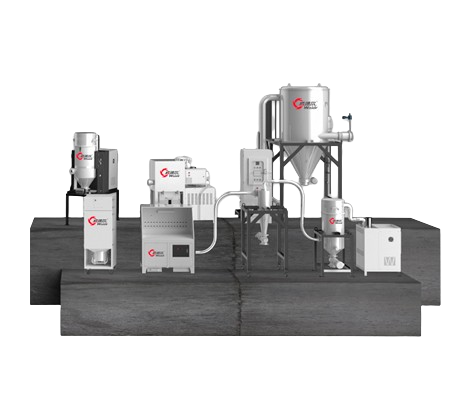
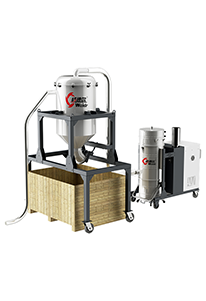
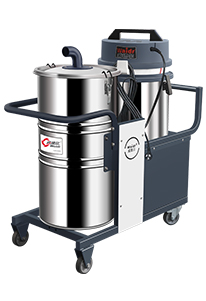
Pharmaceutical production demands a different standard of industrial cleaning. The objective is not only to remove visible residue but also to manage fine powder, support housekeeping discipline, redu...
Read More
Industrial cleaning machines and central vacuum systems are essential for maintaining clean and efficient work environments. Selecting the right dust collection controller is pivotal for optimizing the performance of these systems, whether it's a dust cleaner or an advanced industrial equipment cleaning setup. A dust collection controller not only regulates the systems' functions but also enhances operational efficiency by minimizing downtime and ensuring optimal air quality, a priority for leading dust collection equipment manufacturers. This article provides a comprehensive guide on how to select the best controller for your needs. We'll explore the key features, compatibility checks, automation benefits, installation guidelines, and troubleshooting tips to help you make an informed decision.
When choosing a dust collection controller, there are several critical features to consider that will impact the overall performance and reliability. These include adaptability to dust remover units, efficiency in dust catcher operations, and user-friendly interfaces that align with heavy-duty vacuum cleaner functionalities.
Feature | Description |
Flexible Settings | Adjustable settings to cater to various dust collection needs. Suitable for both backpack vacuum cordless and traditional systems. |
Output Capacity | High capacity to manage extensive dust output effectively. Essential for systems like vacuum dust collector and dust collectors for sale. |
Intuitive Interface | An easy-to-navigate control panel beneficial for quick modifications even during operations of the industrial central vacuum system. |
Energy Efficiency | Energy-saving options that lower operational costs, making it ideal for battery-operated vacuum backpack setups. |
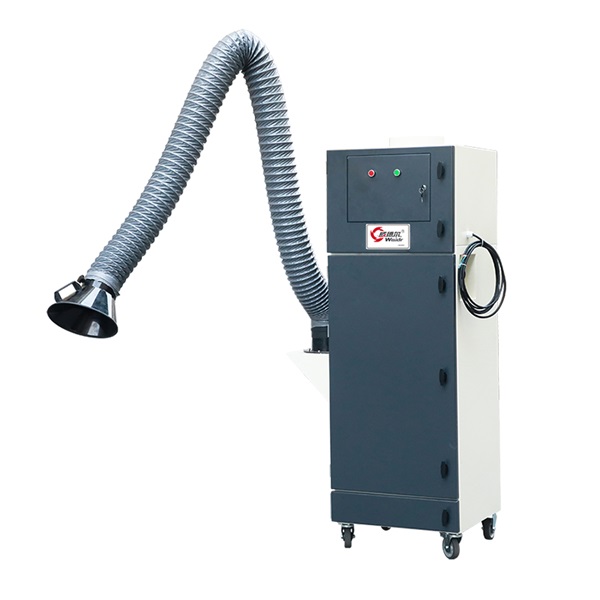
Ensuring compatibility with existing industrial central vacuum systems and central vacuum cleaner system components is crucial. This compatibility determines the ease of integration and the overall efficiency of the system.
System Voltage: Match the controller voltage with existing systems to avoid malfunction or energy inefficiency issues.
Interface Compatibility: Check the controller's interface compatibility with battery-powered backpack vacuum and hoover cordless backpack vacuum units.
Software Integration: Ensure the controller can seamlessly integrate with existing software platforms used in dust collection system design setups.
Automation in industrial cleaning chemicals systems offers significant advantages, such as reducing human error, enhancing precision, and increasing consistency in operations. A smart dust collection controller can also synchronize operations with battery pack vacuum systems.
Maintenance Alerts: Automatic alerts for maintenance based on the dust collection system diagram help foresee potential issues and plan proactive interventions.
Performance Tracking: This feature tracks the performance of industrial cordless vacuum operations, ensuring maximum efficiency is achieved continuously.
Remote Operation: Enables control from remote locations, facilitating easier management especially for high-demand areas needing battery-operated backpack vacuum solutions.
The installation process of a dust collection controller involves several steps that must ensure compatibility, maximize efficiency, and integrate smoothly into the existing dust cleaners and dust catchers systems.
Step | Action |
Planning | Assess the existing setup and determine the optimal positioning for the controller relative to industrial equipment cleaning systems. |
Component Assembly | Assemble necessary components ensuring they match specifications for your chosen cordless backpack vacuum cleaner. |
Software Setup | Install necessary software updates that cater to specific dust removal needs. |
Testing | Conduct tests to ensure all systems are operational and effectively managed by the controller. |
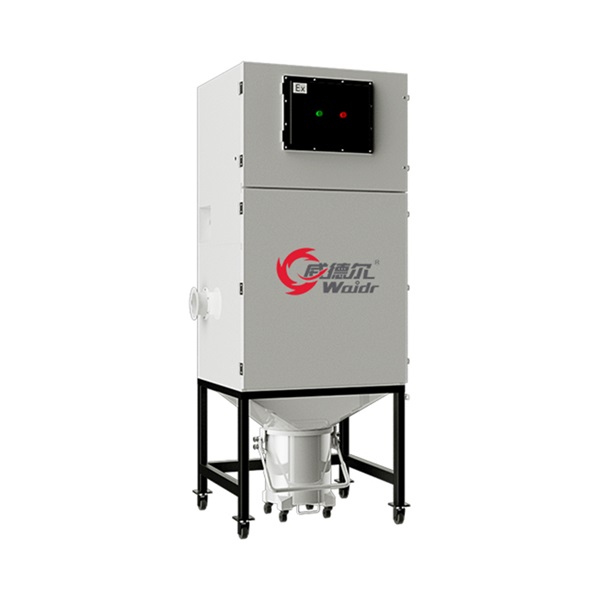
Even the most advanced central vacuum cleaner system setups can experience issues that require troubleshooting. A comprehensive understanding of potential issues can enable quick resolutions.
Error Messages: Familiarize with common error messages displayed by industrial cleaning machinery controllers and their meanings.
Power Fluctuations: Address power fluctuation impacts on performance, ensuring your dust collection system design remains stable.
Sensor Malfunctions: Know how to quickly identify and resolve sensor issues in industrial central vacuum setups.
In conclusion, selecting a dust collection controller to complement your heavy-duty vacuum cleaner and enhance your industrial cleaning chemicals setup involves understanding key features, ensuring compatibility, leveraging automation benefits, following installation guidelines, and having effective troubleshooting strategies. Proper controller selection and usage can lead to increased efficiency, reduced operational costs, and improved air quality in industrial environments. As you explore available options, remember your specific system needs and consider controllers that offer flexible settings, intuitive interfaces, and comprehensive support for seamless integration and optimal performance.