English
 français
 Español
 русский
 português
 العربية
 tiếng việt
 Türkçe
 ไทย
ไทย Indonesia
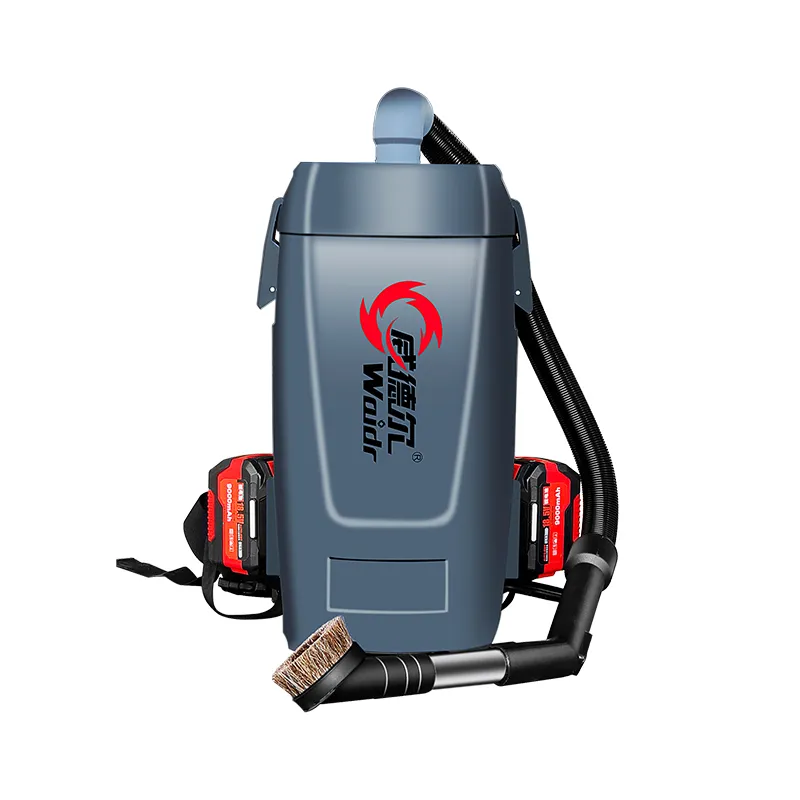
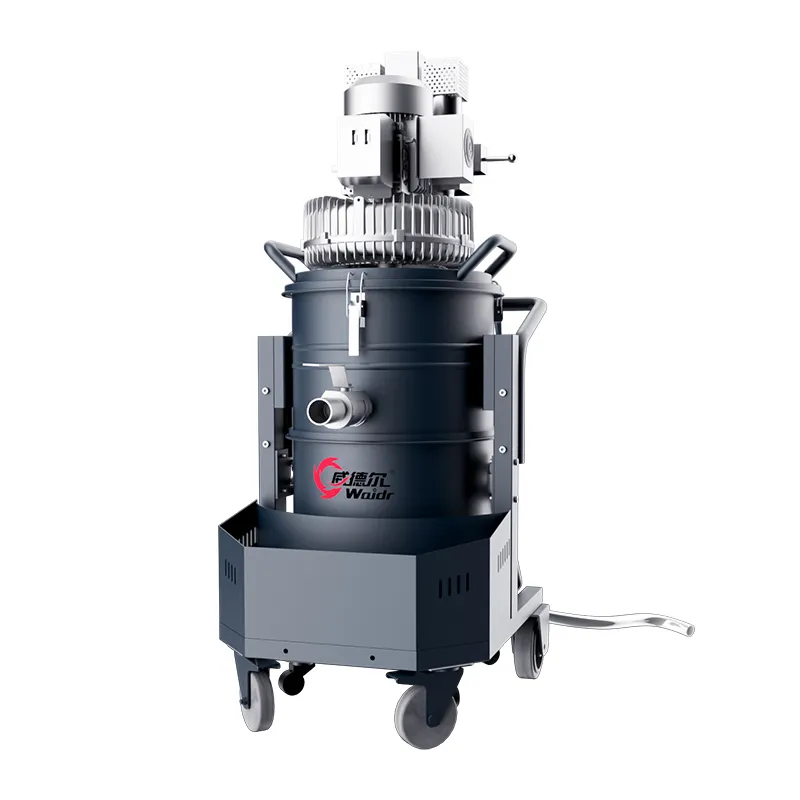
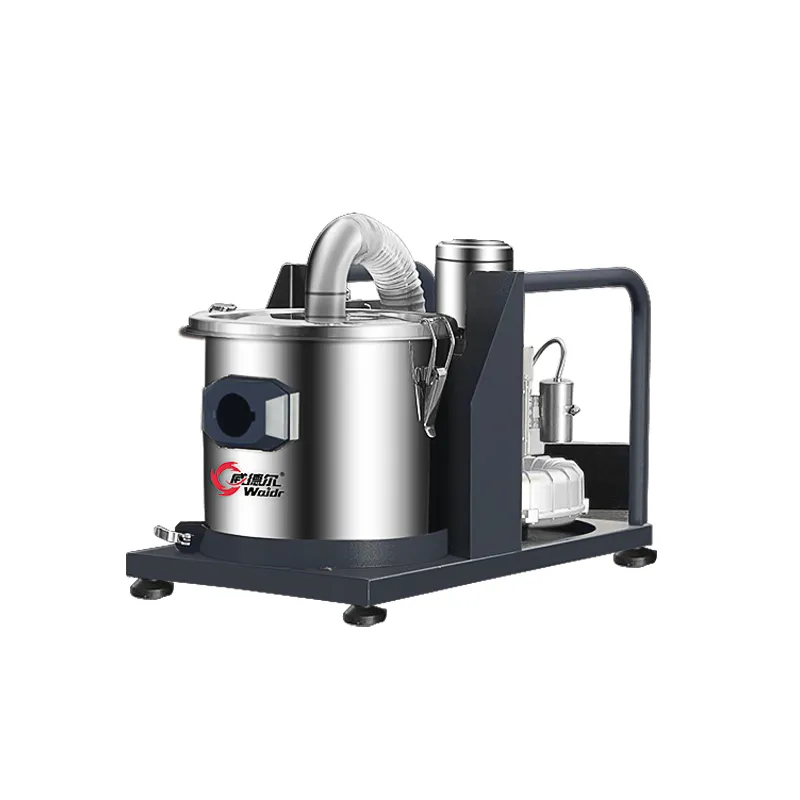
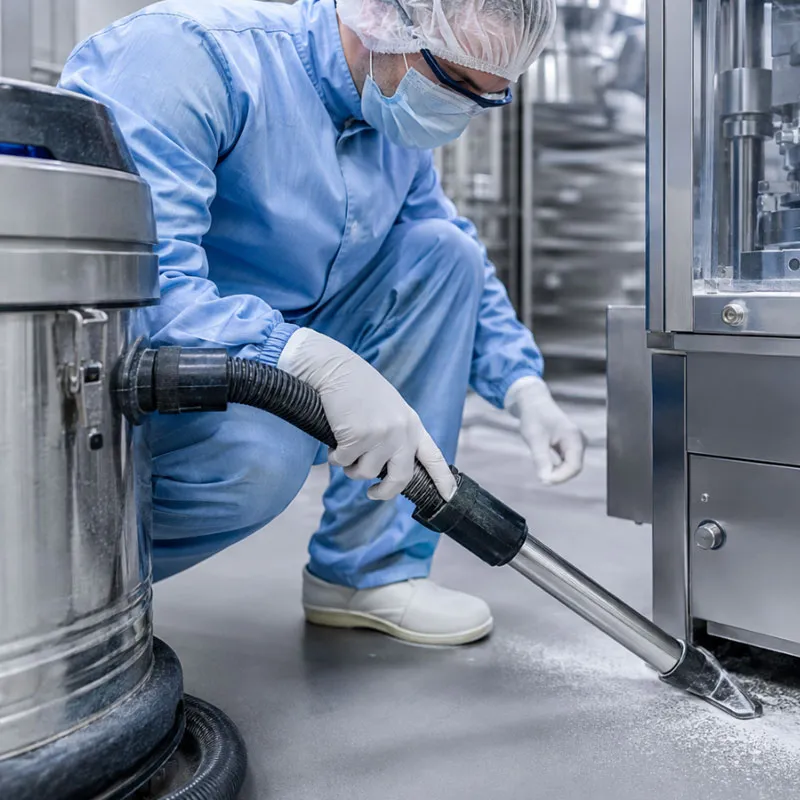
Pharmaceutical production demands a different standard of industrial cleaning. The objective is not only to remove visible residue but also to manage fine powder, support housekeeping discipline, redu...
Read More
The accident report from a Taiwan-based chemical manufacturer reads like a cautionary tale. A standard industrial vacuum ignited aluminum powder during routine cleaning, triggering a chain reaction that damaged three production units. This wasn't negligence—it was an equipment mismatch. The plant later switched to Waidr's ATEX-certified explosion-proof vacuum cleaners with conductive hoses and grounding systems, eliminating static discharge risks that conventional units couldn't address.
ATEX-certified explosion-proof vacuums reduce combustible dust accidents by 91% compared to modified consumer-grade equipment, per EU-OSHA's 2023 hazardous materials handling guidelines. Waidr's solutions exceed these standards with stainless steel construction that withstands corrosive compounds and three-stage filtration capturing particles down to 0.1 microns—critical for pharmaceutical and chemical applications where micron-sized particles can become ignition sources.
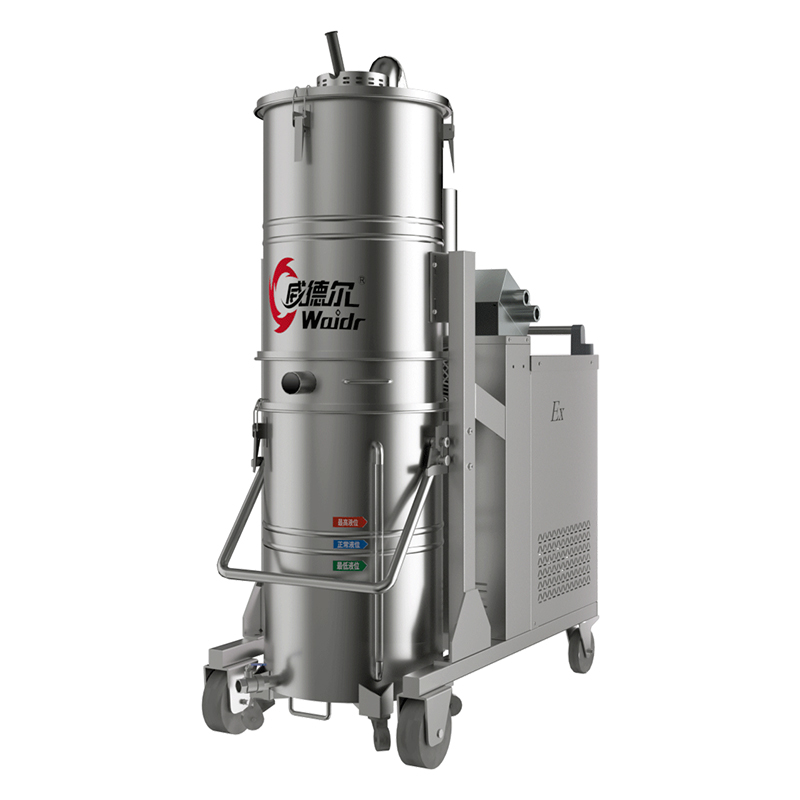
A Middle Eastern petrochemical facility learned this through expensive trial and error. Their previous vacuum's plastic components accumulated 25,000 volts of static—enough to ignite volatile hydrocarbon vapors during tank cleaning. Waidr's solution employed carbon-fiber reinforced hoses with continuous grounding monitoring, maintaining resistance below 10⁶ ohms as required by IEC 60079-32-1 standards. The integrated ionizer neutralized charges on collected powders, addressing a hazard most vacuum manufacturers overlook.
The results were measurable. Their safety audit scores improved from 72% to 94% within six months, while maintenance logs showed a 67% reduction in fire-related equipment failures. The vacuum's stainless steel drum with conductive wheels prevented powder buildup—a common source of secondary explosions when static discharges occur during disposal.
A Southeast Asian drug manufacturer faced contamination complaints traced to vacuum cross-contamination. Their original unit's internal crevices harbored antibiotic residues that contaminated subsequent batches. Waidr's pharmaceutical-grade model featured seamless 316L stainless steel interiors polished to Ra <0.8μm, exceeding FDA cGMP surface finish requirements. The hermetically sealed motor prevented particulate escape, while HEPA filtration retained 99.995% of particles—crucial when handling potent compounds.
Operational data revealed unexpected benefits. Cleaning cycle times dropped 40% thanks to the unit's self-cleaning filter mechanism. More critically, quality control reports showed zero cross-contamination incidents in the year following installation, validating the investment despite higher upfront costs compared to standard industrial vacuums.
Not all certifications carry equal weight. A Russian mining equipment distributor discovered this when their supposedly compliant vacuums failed zone certification audits. While marketed as "explosion-proof," the units lacked proper EX d flame-path enclosures and temperature class ratings required for Zone 1 environments. Waidr's ATEX Category 2G equipment met these requirements with T4 temperature classification (<135°C surface temp) and leak-proof gasketing—documented in third-party test reports from TÜV Rheinland.
The distributor now uses these technical differentiators in customer education. Their case studies show how proper certification reduces insurance premiums—one client saw a 22% decrease after upgrading to fully compliant systems—while avoiding non-compliance fines that often exceed equipment costs.