English
 français
 Español
 русский
 português
 العربية
 tiếng việt
 Türkçe
 ไทย
ไทย Indonesia
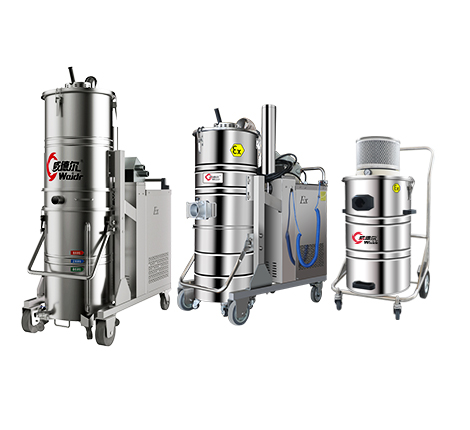
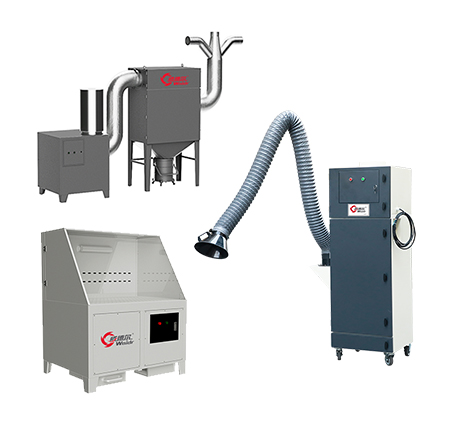
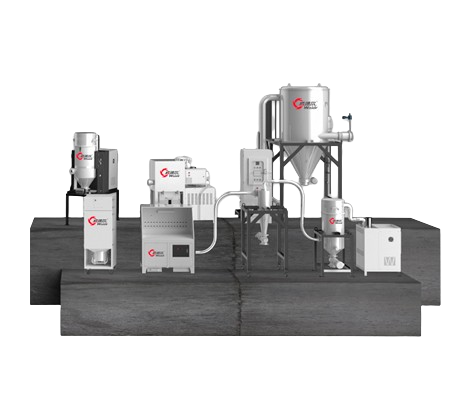
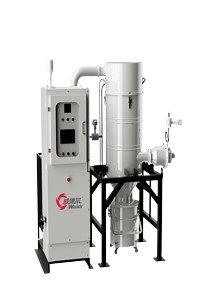
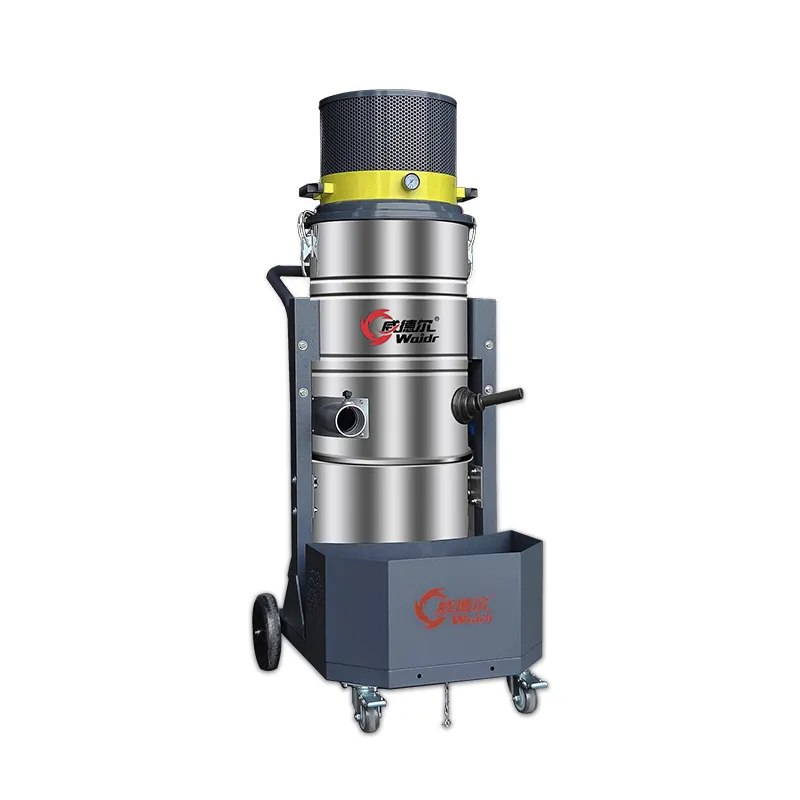
Pharmaceutical production demands a different standard of industrial cleaning. The objective is not only to remove visible residue but also to manage fine powder, support housekeeping discipline, redu...
Read More
Overseas distributors and facility-supply buyers sourcing wholesale cleaning equipment from China in 2026 are dealing with a familiar set of risks: products that perform well on a factory demo but fail within six months of commercial use, motor and suction specs that don't hold up under real shift conditions, and certification claims that don't survive an import inspection or a retailer's compliance review.
For a battery operated backpack vacuum, these risks are compounded by the battery system. A unit that passes a visual inspection but has an undersized BMS, a poorly sealed airflow path, or a filter stack that loads too quickly will generate returns, warranty disputes, and lost repeat business—none of which show up until the container has already arrived.
This guide covers what actually determines cleaning performance, which certifications and QC documentation to request before confirming an order, how to read a spec sheet critically, and how to structure your wholesale sourcing terms to protect margin and build a reliable product line.
A battery operated backpack vacuum is a system, not a single component. Performance in commercial use depends on how well the motor, battery, filtration, and airflow path work together—not on any single headline specification.
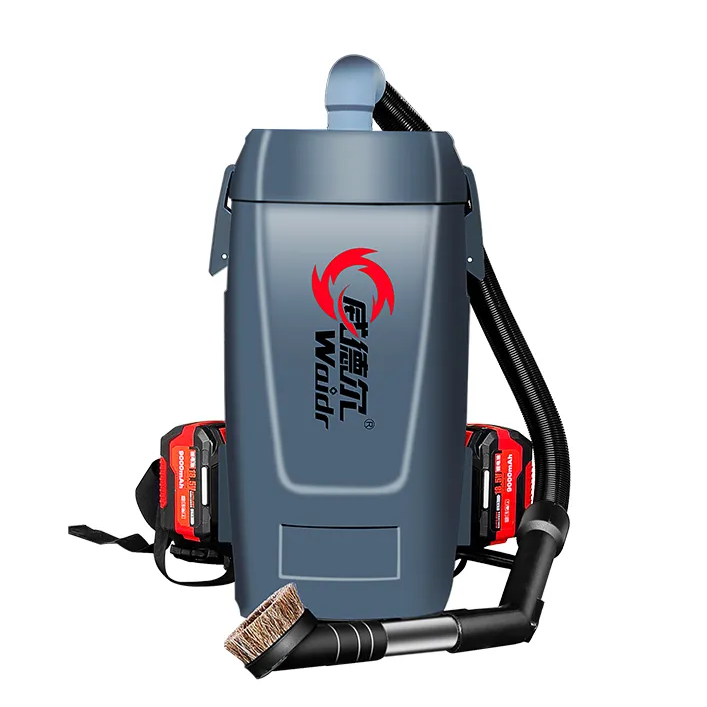
The airflow system is the core. The motor and fan create suction, but the usable result depends on the airflow path design, the sealing quality between components, and how the filter loading behavior affects suction over the course of a shift. A unit rated at high wattage but with a poorly sealed hose connection or a filter that loads within 30 minutes of use will underperform a lower-wattage unit with a well-engineered airflow path.
The battery platform determines runtime stability and protection. Battery chemistry and capacity set the theoretical runtime, but the battery management system (BMS) determines whether that runtime is consistent across the shift or degrades rapidly under load. A BMS without adequate over-current, over-discharge, and overheat protection creates both performance and safety risks—and is the most common source of battery-related warranty claims on commercial vacuums.
The filtration stack affects both dust capture and how quickly performance drops. A pre-filter plus main filter combination is standard; HEPA-class filtration is increasingly requested for schools, healthcare facilities, and hospitality accounts. The key question is not just filter class but how quickly the filter loads under the dust types typical of your target market, and how easy it is for operators to clean or replace on schedule.
Ergonomics and harness design affect operator compliance. A unit that is uncomfortable to wear for a full shift will be used incorrectly or avoided entirely, negating the productivity gains that justify the cordless premium. Weight distribution, padding quality, and harness adjustability are worth evaluating on samples before committing to a container order.
For full configuration options, visit the product page.
This is where most wholesale sourcing problems originate. A supplier who cannot provide clear answers to the following questions before order confirmation is a supplier who will create problems at customs, at the retailer's compliance desk, or in the field.
Confirm which certification route is supported for your target market. CE marking is required for EU distribution and covers electrical safety, EMC, and battery transport compliance. UL certification is relevant for certain North American procurement requirements, particularly in institutional and government accounts. Request the actual certificate, confirm that the model number on the certificate matches the model you are ordering, and verify the certificate scope covers the battery and charger as well as the vacuum unit.
A credible supplier should be able to describe their QC process at each production stage: incoming inspection of motors and battery cells, assembly torque control on critical connections, leakage checks on the airflow path, run testing under load, and final functional test before packing. Request a QC checklist or inspection report format as part of your pre-order evaluation.
Battery shipment compliance is a separate requirement from product certification. Confirm that the battery cells meet UN38.3 transport testing requirements, that packaging meets IATA/IMDG labeling requirements for lithium batteries, and that the BMS protection features are documented. This documentation is required by freight forwarders and airlines and its absence can delay or block shipment.
Before confirming the order, request: user manual in the required language versions for your market, warning label content and placement, spare parts list with part numbers, warranty terms in writing, and serial or batch number traceability that allows you to identify production lots if a field issue emerges.
| Specification | What to Ask | Red Flag |
|---|---|---|
| Runtime per battery | Is this "high mode" or "eco mode" runtime? | Only eco-mode runtime quoted with no high-mode figure |
| Suction under load | How does performance hold as the filter fills? | No data on suction drop over a shift |
| Motor type and cooling | What is the thermal management design? | No information on motor cooling or lifespan rating |
| Noise level | What is the dB(A) rating at operator ear level? | No noise data, or only measured at distance |
| Filter class | Standard or HEPA? What is the capture efficiency? | "HEPA-style" language without a rated efficiency figure |
| Consumables | What is the bag/filter replacement cost and lead time? | No spare parts pricing or availability commitment |
Runtime claims deserve particular scrutiny. A quoted runtime of 60 minutes on a unit with a modest battery capacity is almost always an eco-mode figure. Ask for runtime at the suction level your target customers will actually use—typically the medium or high setting for commercial carpet and hard floor cleaning. The difference between eco-mode and high-mode runtime can be 40–50% on the same battery, and customers who discover this after purchase generate the most damaging reviews.
The battery operated backpack vacuum format earns its premium in environments where cord management is a productivity and safety problem, and where operator mobility across multiple rooms or floors is the primary efficiency driver.
Hotels and hospitality accounts are the strongest market. Quiet operation, cord-free movement around guests, and fast room turnaround are all direct selling points. Noise level is a genuine specification requirement in this segment—many hotel procurement standards specify maximum dB(A) levels, and a unit that exceeds them will not pass a trial.
Schools and campuses benefit from the reduced trip hazard and faster aisle and classroom turnaround. Cleaning crews covering large floor areas with multiple room entries per shift see the most significant time savings compared to corded alternatives.
Commercial offices running night cleaning crews value the productivity gain from eliminating cord management on open-plan floors. A single operator can cover significantly more area per shift with a cordless backpack than with a corded unit on the same floor plan.
Public buildings, transit areas, and staircases are where the backpack format's mobility advantage is most obvious. Upright vacuums slow crews down on stairs and in tight corridors; the backpack format maintains full suction and operator mobility in these zones without the cable management overhead of a corded backpack.
Lock these before requesting a quotation:
Floor types in the target accounts: carpet, hard floor, or mixed
Dust type: fine dust, sand, debris, or a combination
Required runtime per shift and battery swap plan—one battery per shift, or two with a mid-shift swap
Filtration requirement: standard or HEPA class
Tool kit: crevice tool, upholstery tool, floor head type for carpet versus hard floor
Target market certification requirement: CE, UL, or other
Setup requirements are minimal. Operators need to adjust the harness fit, install the filter and bag, and understand the battery charging workflow. A clear illustrated quick-start guide in the local language is the most important onboarding tool—request this as part of the documentation package.
Spare parts kit per container: filters, bags, hoses, and nozzles at a defined ratio to unit quantity
Warranty handling process: photo or video diagnosis protocol, replacement parts lead time commitment, and whether defective units are replaced or repaired
MOQ by configuration and packaging customization options: brand label, carton design, manual language versions
Empty the bag or bin on schedule—do not wait for suction to drop noticeably, as an overfull bag reduces airflow and accelerates motor heat buildup. Clean or inspect the pre-filter at the end of each shift. Check the hose and floor tool for blockages weekly. These three habits account for the majority of preventable performance degradation on commercial backpack vacuums.
Battery lifecycle management is the other critical maintenance discipline. Correct charging habits—not storing at full charge for extended periods, not running to complete discharge regularly—extend cell life significantly. Establish a planned battery replacement cycle based on the manufacturer's rated cycle count rather than waiting for runtime to degrade to an unacceptable level.
| Cost Driver | How to Quantify |
|---|---|
| Labor time saved per shift | Minutes saved on cord management and route completion × operator rate × shifts per year |
| Downtime avoided | Fewer motor and battery failures × average repair or replacement cost |
| Consumable spend | Bags and filters per month × unit cost × fleet size |
| Returns and warranty cost | Current return rate × unit value + handling cost |
| Certification risk | Cost of a failed import inspection or retailer compliance rejection |
For wholesale buyers building a product line, the certification and QC documentation investment upfront is the most cost-effective way to reduce the returns and warranty disputes that erode margin on the back end.
For overseas wholesale buyers, the sourcing decision that matters is the one that holds up after 6–12 months of real commercial use. Verifying certifications, demanding QC documentation, and selecting a configuration that matches the runtime, filtration, and noise requirements of your target accounts are the steps that separate a reliable repeat-order product line from a high-return liability.
Submit the details below to receive a recommended configuration and quotation:
Work conditions: Facility type, floor mix, dust type, daily cleaning hours, noise limits
Quantity: Trial order quantity and container plan, target delivery time
Size and spec: Required runtime, battery quantity, filtration level or HEPA requirement, tool kit, voltage and charger type
Target metrics: Suction stability, runtime target, noise target, warranty target
Current problem: Motor failures, weak suction claims, certification uncertainty, high return rate, consumable cost
1. What is a battery operated backpack vacuum?
A battery operated backpack vacuum is a cordless commercial vacuum worn on the operator's back, designed for mobility, faster area coverage, and reduced trip hazards compared with corded vacuums. It is widely used in hotels, schools, offices, and public buildings where cord management is a productivity and safety concern.
2. How does it compare with corded backpack vacuums or upright vacuums?
Corded backpack vacuums can run continuously without battery swaps but add cable management overhead and create trip hazards in multi-room environments. Upright vacuums are convenient on certain carpet types but are slower on stairs, in tight corridors, and across multi-room routes. The battery operated backpack vacuum wins on mobility and shift productivity for the commercial cleaning routes where most wholesale volume is sold.
3. What ROI and payback should wholesalers or their contractor customers expect?
ROI comes from labor time saved per shift through faster route completion and eliminated cord management, fewer safety incidents from trip hazards, and reduced returns and warranty costs when certification and QC are verified upfront. For cleaning contractors, payback on the cordless premium is typically achieved within one to two cleaning seasons. Submit your current operational data on the product page for a tailored estimate.
4. Do we need to modify our cleaning workflow to adopt cordless backpack vacuums?
Only minor operational changes are required: establishing battery charging stations, scheduling battery swaps for longer shifts, and setting filter and bag maintenance routines. No facility modification is typically needed. A clear operator quick-start guide in the local language is the most important onboarding tool.
5. What parameters should I provide for accurate selection and quoting?
To receive a precise recommendation, submit the following on the battery operated backpack vacuum product page: target market and certification requirement (CE, UL, or other); required runtime per shift and battery swap plan; floor types and dust type in the target accounts; filtration requirement (standard or HEPA); noise limit if applicable; tool kit requirements; order quantity including trial order and container plan; packaging and branding requirements; and a description of your current pain points such as motor failures, weak suction claims, certification uncertainty, or high return rates—the more complete this information is, the more accurate the configuration recommendation and quotation will be.