English
 français
 Español
 русский
 português
 العربية
 tiếng việt
 Türkçe
 ไทย
ไทย Indonesia
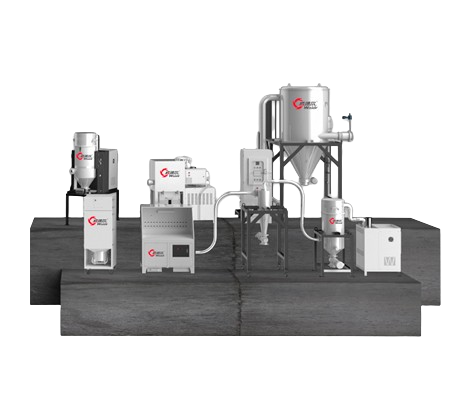
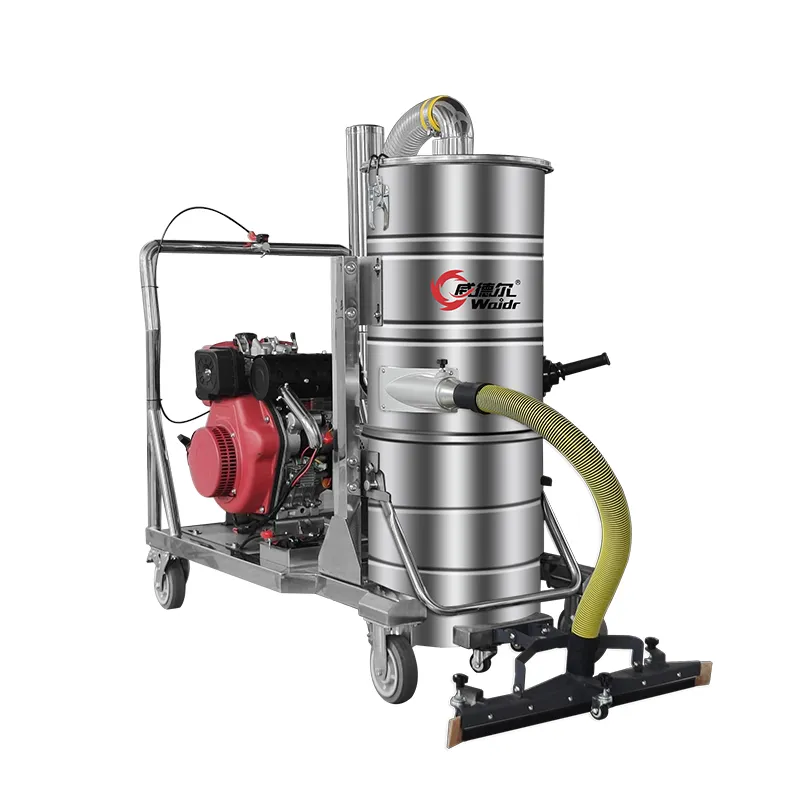
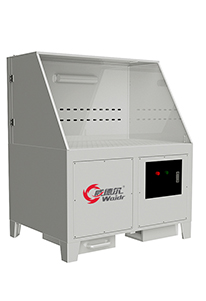
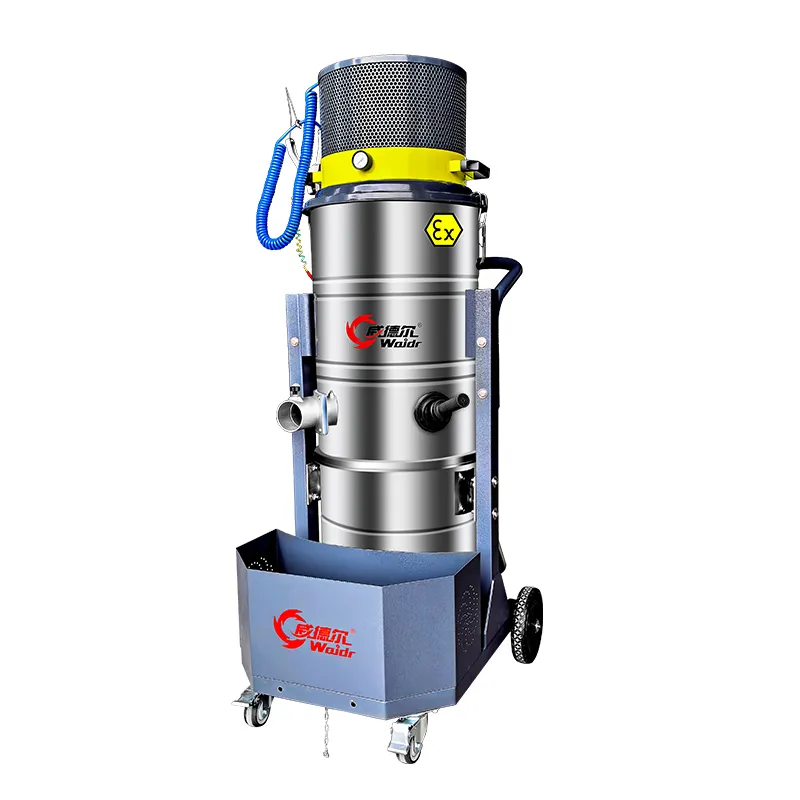
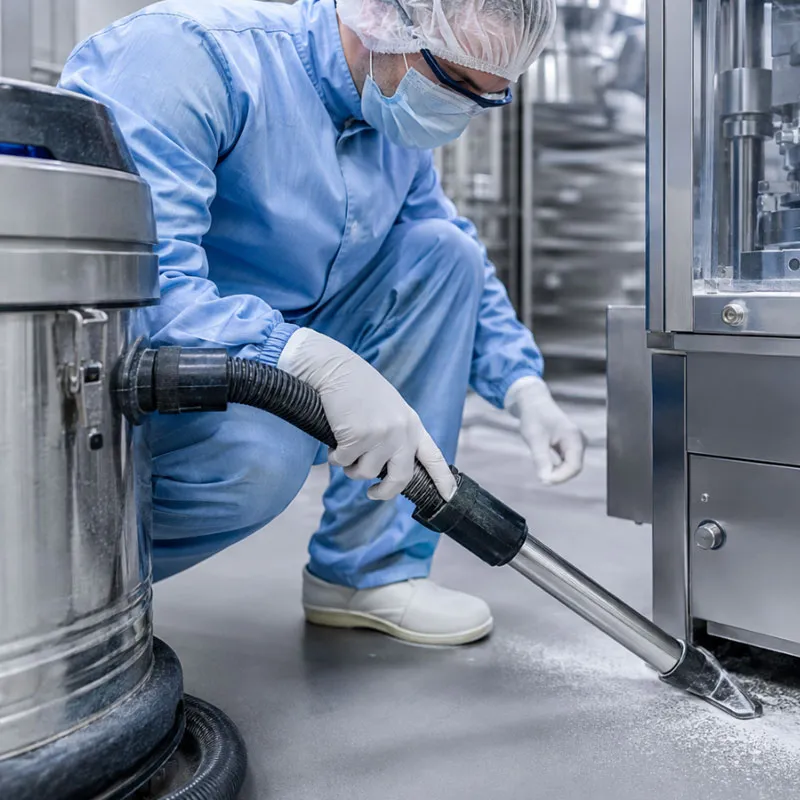
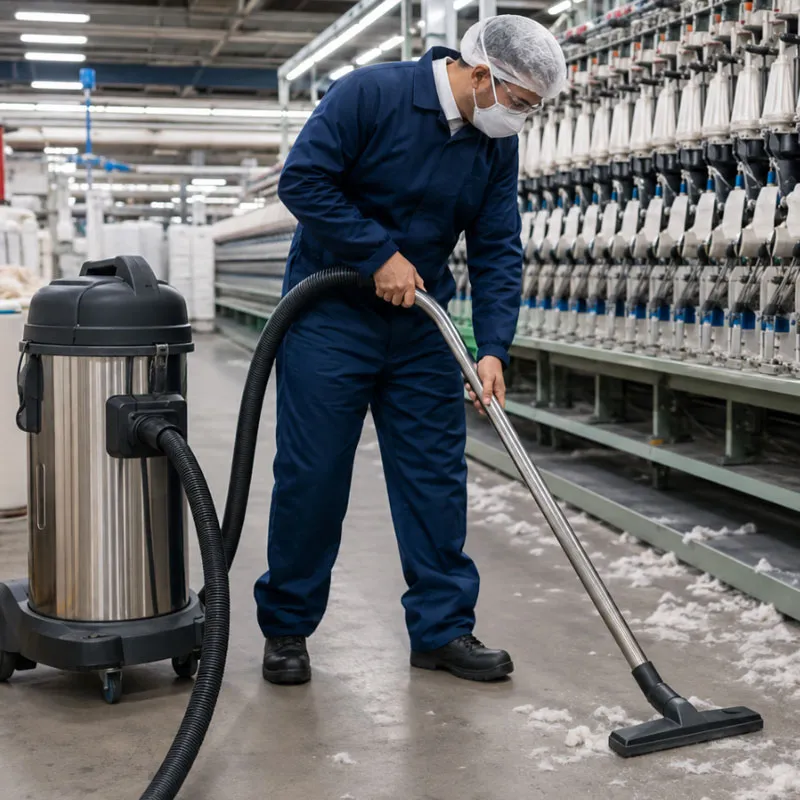
Pharmaceutical production demands a different standard of industrial cleaning. The objective is not only to remove visible residue but also to manage fine powder, support housekeeping discipline, redu...
Read More
Factory procurement teams evaluating dust control equipment in 2026 are making a decision that looks like a capital equipment purchase but functions like a utility contract. An industrial dust collector that runs 10 hours per day, 300 days per year, for 5–10 years is not a one-time cost—it is a recurring electricity bill, a filter replacement schedule, a maintenance labor commitment, and a downtime risk that compounds across every operating hour of its service life. The purchase price is typically the smallest component of the total cost of ownership.
This is the calculation that separates buyers who optimize for the lowest invoice from buyers who optimize for the lowest 5-year operating cost. Manufacturers facing higher electricity prices, stricter workplace air-quality expectations, and rising maintenance labor costs in 2026 need an energy efficient dust collector that balances airflow, filtration area, motor power, filter-cleaning method, and maintenance interval—not just a machine that meets the minimum suction specification at the lowest upfront price. Waidr's V-Series dust vacuum cleaners industrial factory solutions address this requirement with PTFE filter cartridges, pulse-jet cleaning systems, 380V centrifugal fans, and airflow options from 1,200 to 2,600 m³/h across the V1200(B), V2000(B), and V2600(B) models.
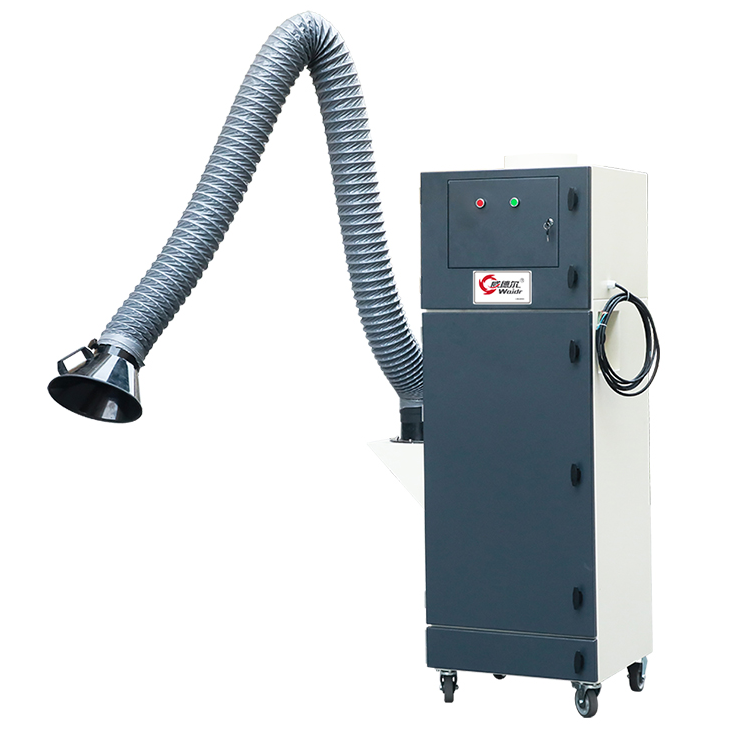
The energy cost argument for proper dust collector selection is straightforward once the operating hours are factored in. A dust collector is not a machine that runs occasionally—it runs continuously during production, often for the full shift duration. This means that motor power selection, filter condition, and airflow efficiency have a compounding financial impact that dwarfs the purchase price difference between a budget and a premium system.
The hidden cost structure of an industrial dust collector:
TCO = Equipment Cost + Electricity Cost + Filter Replacement Cost + Maintenance Labor Cost + Downtime Cost + Compliance and Safety Risk Cost
For a machine running 10 hours per day at 300 operating days per year, the electricity cost alone over 5 years can be 3–5 times the original purchase price. A 5.5 kW motor running at this schedule consumes 16,500 kWh per year. At USD 0.12/kWh, that is USD 1,980 per year in electricity—USD 9,900 over 5 years—from a single dust collector. A properly sized 3.0 kW system running the same schedule consumes 9,000 kWh per year, costing USD 1,080 annually—a saving of USD 900 per year, or USD 4,500 over 5 years, from motor sizing alone.
The filter clogging multiplier:
A dust collector with a clogged filter does not simply collect dust less efficiently—it forces the motor to work harder against increased airflow resistance, increasing power consumption while simultaneously reducing suction performance. In a system without automatic filter cleaning, this degradation begins immediately after commissioning and accelerates as the filter loads. The result is a machine that consumes more electricity, delivers less suction, and requires more frequent manual intervention than its specification suggests.
The maintenance labor cost:
Manual filter cleaning requires stopping the machine, accessing the filter housing, removing and cleaning or replacing the filter cartridge, and recommissioning the system. In a production environment where the dust collector serves active workstations, this maintenance event creates production downtime. At a conservative estimate of 2 hours of downtime per manual cleaning event, and 2 cleaning events per month, the annual downtime cost from filter maintenance alone can exceed the annual filter replacement cost.
The technical design of Waidr's V-Series addresses each of the cost drivers identified above through a combination of high-efficiency filtration, automatic pulse-jet cleaning, and properly matched motor power.
The filtration mechanism
Dust-laden air is drawn into the collector by a centrifugal fan and directed through PTFE filter cartridges. PTFE (polytetrafluoroethylene) membrane filtration captures particles on the outer surface of the cartridge rather than within the filter media—a surface filtration mechanism that is fundamentally different from depth filtration. Surface filtration has two important advantages: it captures particles more efficiently at the filter surface (achieving 0.5 μm >99.9% filtration precision in the V-Series), and it releases captured dust more completely during the cleaning cycle, maintaining lower pressure drop across the filter over time.
The V-Series filter areas range from 200,000 cm² (V1200B) to 400,000 cm² (V2600B). Larger filter area means lower face velocity across the filter surface, which reduces pressure drop, reduces filter loading rate, and extends the interval between cleaning cycles. This is the filtration area advantage that distinguishes industrial-grade collectors from undersized equipment: more filter area means less resistance, less motor load, and lower electricity consumption at the same airflow.
The pulse-jet cleaning system
The pulse-jet cleaning system uses compressed air (0.4–0.6 MPa, oil-free and water-free) delivered through pulse valves to periodically dislodge accumulated dust from the filter surface. The V1200B and V2000B use one pulse valve; the V2600B uses two. The cleaning cycle is automatic—the system delivers a brief, high-pressure air pulse that creates a reverse-flow shock wave through the filter cartridge, detaching the dust cake and allowing it to fall into the collection bin below.
The practical consequence of automatic pulse-jet cleaning is that the filter maintains a consistently low pressure drop throughout the operating shift, rather than progressively increasing resistance as dust accumulates. This means the motor operates at consistent load rather than increasing load, electricity consumption remains stable rather than rising, and suction performance at the workstation remains consistent rather than degrading. Manual filter cleaning is reduced to periodic inspection and replacement rather than frequent intervention.
The centrifugal fan and motor sizing
The V-Series uses 380V/50Hz centrifugal fans with motor powers of 1.5 kW (V1200B), 2.2 kW (V2000B), and 3.0 kW (V2600B). Centrifugal fans provide stable airflow against the static pressure of the duct system and filter, with efficiency characteristics that are well-matched to the continuous-duty operating profile of industrial dust collection. Proper motor sizing—matching the motor power to the actual airflow and pressure requirement rather than oversizing for safety margin—is the single most impactful decision for long-term electricity cost.
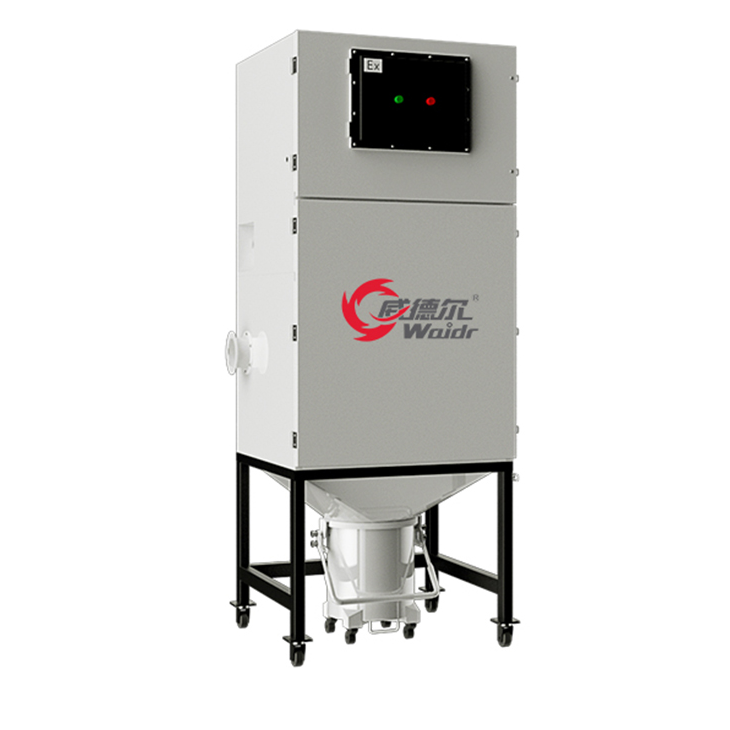
Professional buyers should select by dust type, airflow demand, filtration precision, operating hours, maintenance method, and energy cost—not only by machine size or purchase price.
V-Series Complete Specification Reference
| Specification | V1200(B) | V2000(B) | V2600(B) |
|---|---|---|---|
| Motor power | 1.5 kW | 2.2 kW | 3.0 kW |
| Voltage | 380V/50Hz | 380V/50Hz | 380V/50Hz |
| Motor type | Centrifugal fan | Centrifugal fan | Centrifugal fan |
| Airflow | 1,200 m³/h | 2,000 m³/h | 2,600 m³/h |
| Vacuum pressure | 2,100 Pa | 2,200 Pa | 2,400 Pa |
| Filter area | 200,000 cm² | 300,000 cm² | 400,000 cm² |
| Filter quantity | 1 | 1 | 2 |
| Filter precision | 0.5 μm >99.9% | 0.5 μm >99.9% | 0.5 μm >99.9% |
| Pulse valves | 1 | 1 | 2 |
| Compressed air | 0.4–0.6 MPa, oil-free, water-free | same | same |
| Noise level | ≤78 dB | ≤78 dB | ≤80 dB |
| Machine weight | 150 kg | 200 kg | 260 kg |
| Machine size | L550×W550×H1771 mm | L600×W600×H1890 mm | L800×W800×H1920 mm |
Buyer Selection Checklist
Airflow requirement: calculate the total airflow needed based on the number of collection points, suction arm diameter, duct length, and hood design. Undersizing airflow creates inadequate capture velocity; oversizing wastes motor power.
Dust type and particle size: confirm whether the dust is metal, wood, pharmaceutical powder, food powder, chemical dust, or combustible dust. Combustible dust requires explosion-proof design considerations beyond standard collector specifications.
Filter precision requirement: 0.5 μm >99.9% covers most industrial applications. Pharmaceutical and food processing applications may require HEPA-class filtration—confirm the regulatory requirement before specifying.
Compressed air availability: pulse-jet cleaning requires a clean, dry, oil-free compressed air supply at 0.4–0.6 MPa. Confirm that the installation site has adequate compressed air capacity before specifying a pulse-jet system.
Operating schedule and energy strategy: confirm daily operating hours and whether VFD (variable frequency drive) control, differential pressure monitoring, or automatic start/stop logic is required to further reduce energy consumption during low-dust-load periods.
Metalworking and Grinding
Metal cutting, grinding, and machining operations generate fine metal dust and abrasive particles that are both a health hazard and a fire risk. The V-Series' 0.5 μm >99.9% filtration precision captures fine metal particles that would otherwise remain airborne, while the PTFE surface filtration mechanism releases metal dust cleanly during pulse-jet cleaning without the filter blinding that occurs with depth filtration media.
Food Processing
Powder handling, mixing, and packaging operations in food processing generate fine organic dust that creates both explosion risk and product contamination risk. The V-Series' high filtration efficiency and easy-clean design support food processing dust control requirements. The compact vertical footprint (550–800 mm width) allows installation in production areas where floor space is limited.
Pharmaceutical and Chemical Production
Fine powder management in pharmaceutical and chemical production requires filtration precision that captures active pharmaceutical ingredients and chemical intermediates before they reach the workshop air. The 0.5 μm >99.9% filtration precision of the V-Series supports these requirements, and the PTFE filter material is chemically resistant to most pharmaceutical and chemical process dusts.
Woodworking and Building Materials
Cutting, sanding, crushing, and material transfer operations in woodworking and building materials production generate high volumes of coarse and fine dust. The large filter areas of the V-Series (200,000–400,000 cm²) provide the dust-holding capacity needed for high-dust-load applications, while the pulse-jet cleaning system maintains consistent suction performance throughout the operating shift.
Factory-Wide Airborne Dust Control
For large facilities requiring centralized dust extraction across multiple workstations, Waidr's factory-wide dust control solutions extend the V-Series capability with centralized systems featuring 3,000 m³/h airflow capacity, modular quick-connect docking, HEPA H13 filtration, and pulse-jet cleaning for consistent suction across large-scale factory environments.
Installation and Selection Workflow
Step 1: Identify the dust type and assess combustible dust risk. Metal, wood, pharmaceutical, food, and chemical dusts have different filtration, explosion protection, and regulatory requirements that must be confirmed before equipment selection.
Step 2: Map dust generation points and measure airflow demand. Count the number of collection points, measure suction arm diameters and duct lengths, and calculate the total airflow required to maintain adequate capture velocity at each point.
Step 3: Select the collector model based on airflow, vacuum pressure, and filter area. Match the V1200B, V2000B, or V2600B to the calculated airflow requirement with appropriate margin for duct losses.
Step 4: Confirm compressed air availability. Verify that the installation site has a clean, dry, oil-free compressed air supply at 0.4–0.6 MPa with adequate flow capacity for the pulse-jet cleaning system.
Step 5: Plan the energy strategy. Confirm whether standard fixed-speed operation is sufficient or whether VFD control, differential pressure monitoring, or automatic start/stop logic is required to optimize energy consumption for the specific operating profile.
Step 6: Establish the maintenance schedule. Plan filter inspection intervals, dust-bin emptying frequency, compressed air quality checks, pulse valve function verification, and seal condition inspection.
The 5-Year TCO Comparison
| Cost Category | Traditional Oversized Collector (5.5 kW) | Waidr V2600B (3.0 kW) |
|---|---|---|
| Annual electricity (10h/day, 300 days, USD 0.12/kWh) | USD 1,980 | USD 1,080 |
| 5-year electricity cost | USD 9,900 | USD 5,400 |
| Annual filter replacement (manual cleaning, 2× per month) | Higher frequency | Lower frequency with pulse-jet |
| Annual maintenance labor (2h per cleaning event) | Higher | Lower |
| Downtime cost | Higher | Lower |
| 5-year electricity saving | — | USD 4,500 |
The USD 4,500 electricity saving over 5 years represents the minimum financial advantage of proper motor sizing—before accounting for the additional savings from reduced filter replacement frequency, lower maintenance labor, and fewer downtime events enabled by the pulse-jet cleaning system.
For buyers considering VFD control, the energy saving potential is higher: a VFD that reduces fan speed by 20% during low-dust-load periods reduces power consumption by approximately 49% (power scales with the cube of fan speed), potentially doubling the electricity saving compared with fixed-speed operation.
Low Maintenance Dust Extractor Advantages
The pulse-jet cleaning system's primary maintenance benefit is converting filter cleaning from a scheduled production interruption into an automatic background process. Instead of stopping the machine, accessing the filter housing, and manually cleaning or replacing the cartridge, the operator monitors the dust bin level and replaces the filter cartridge at the extended interval that PTFE surface filtration and automatic cleaning enable. This reduction in maintenance frequency directly reduces maintenance labor cost and the production downtime associated with manual cleaning events.
An industrial dust collector is a long-term operating asset, not a one-time purchase. The cheapest machine at the point of procurement often becomes the most expensive machine over 3–5 years of operation—through higher electricity consumption, more frequent filter replacement, greater maintenance labor, and more downtime. Waidr's V-Series dust collectors—V1200(B), V2000(B), and V2600(B)—provide properly matched motor power (1.5–3.0 kW), PTFE surface filtration at 0.5 μm >99.9% precision, large filter areas (200,000–400,000 cm²), automatic pulse-jet cleaning, and ≤78–80 dB noise levels for metalworking, food processing, pharmaceutical, chemical, and general industrial dust control applications.
Visit the Waidr Dust Collectors product page to request a recommended configuration and quotation.
Please submit the following details for an accurate recommendation:
Work condition: Industry, dust type, dust concentration, dry or wet dust, combustible dust risk, operating hours per day, workshop size
Quantity: Single workstation, multi-station project, factory-wide system, or annual procurement plan
Size/spec: Airflow requirement, vacuum pressure, filter precision, duct length, suction arm size, voltage, compressed air availability, VFD requirement
Target metrics: Energy saving target, dust capture efficiency, filter life, noise level, maintenance interval, ROI period
Current problems: High electricity cost, weak suction, clogged filters, frequent downtime, high filter replacement cost, dust leakage, manual cleaning burden
1. What is an industrial dust collector?
A dust extraction system that captures airborne particles from industrial processes—cutting, grinding, mixing, powder handling, and material transfer—filters them through cartridges or other filtration media, and returns cleaner air to the workshop or exhaust system. Waidr's V-Series uses PTFE filter cartridges with 0.5 μm >99.9% filtration precision and pulse-jet automatic cleaning for continuous industrial operation.
2. Industrial dust collector vs. industrial vacuum cleaner: which is better?
An industrial vacuum cleaner is better for floor cleaning, machine cleanup, and mobile debris collection where the operator moves the equipment to the dust source. An industrial dust collector is better for continuous source capture at fixed dust-generation points—grinding stations, cutting tables, mixing equipment, and powder handling operations—where the dust source is stationary and continuous extraction is required throughout the production shift.
3. What is the ROI of an energy efficient dust collector?
ROI comes from lower electricity consumption (proper motor sizing reduces annual energy cost by USD 900+ per machine in the example above), reduced filter replacement frequency (PTFE surface filtration and pulse-jet cleaning extend filter life), lower maintenance labor (automatic cleaning reduces manual intervention), and fewer downtime events (consistent suction performance reduces production interruptions). A 3–5 year TCO model consistently shows that premium equipment with efficient filtration and automatic cleaning delivers lower total cost than budget equipment with higher operating costs.
4. Does installing an industrial dust collector require factory modification?
Some integration work is typically required: suction arm installation at dust-generation points, ductwork from collection points to the collector, electrical wiring for the motor and control panel, compressed air supply connection for pulse-jet cleaning, dust-bin access for emptying, and workstation layout adjustment to position collection points effectively. The scope depends on whether the installation is single-station or multi-station, and whether existing ductwork can be reused.
5. What parameters are needed for correct selection and quotation?
<p style="margin-top: 0px; margin-right: 1em; margin-left: 1em; padding: 0px; color: rgb(31, 35, 40); font-family: -apple-system, BlinkMacSystemFont, "Segoe UI", "Noto Sans", Helvetica